
Why Lemon Vibrators Feel Different During and After Menopause
Let's be real. If you've been using the same lemon vibrator or clitoral vibrator for years and suddenly it feels completely different around perimenopause, you're not imagining it. Your body has actually changed. The good news? Understanding why makes the transition infinitely less confusing, and often leads to even better sensation than before.
The honest shift in sensation
Menopause rewires how vibration feels against your skin. Estrogen levels drop, and that's not just about lubrication. It's about tissue thickness, nerve sensitivity, and how quickly arousal builds. Many people describe their usual lemon sucker feeling too intense, too numb, or weirdly off. Some say it tickles instead of building pleasure. Others feel like they need double the intensity to get the same effect.
That's not a sign something's wrong with you or your toy. It's just physiology shifting under you.
What actually changes in the tissue
When estrogen drops, the vulval tissue becomes thinner and less elastic. The clitoris itself doesn't shrink, but the tissue surrounding it changes. Blood flow patterns shift too. For some people, this means that the steady vibration from a lemon clitoral vibrator that used to feel like a gentle building wave now feels scattered or surface-level.
The second thing that changes is lubrication. Even if you're producing natural moisture, the quality changes. It's thinner and more watery sometimes, which affects how the vibrator moves against your skin. Friction patterns change. Speed that felt perfect at 35 might feel jarring at 55.
Hormonal shifts also affect the pelvic floor. That muscle group gets less support from estrogen, which can make orgasms feel different in shape or intensity. You might notice they feel more localized, or take longer to arrive. This isn't dysfunction. It's remodeling.
Why some lemon vibrators feel worse, and others feel better
If you're using a high-frequency, high-intensity lemon vibrator, menopause often makes it feel like overkill. The same intensity that was perfect at 40 can feel abrasive at 55. Your tissue can't handle it the same way.
But here's the counterintuitive part: some people find that suction-based designs, including many modern lemon suckers, feel better after menopause than they did before. Why? Because suction doesn't rely on direct friction against thinner tissue. It stimulates the clitoris and surrounding nerves through gentle negative pressure instead. No scraping. No intensity overload. Pure stimulation.
This is why I often recommend people experiment with why lemon vibrators are better for sensitive areas during this transition. The shift in what feels good isn't a step backward. It's an invitation to explore different designs.
The arousal timeline stretches
One of the biggest surprises for people going through menopause is that arousal doesn't happen as fast. It used to be maybe five minutes of clitoral stimulation before things really got going. Now it might be twenty. Your lemon clitoral vibrator isn't broken. The pathway to arousal has just gotten longer.
This has a silver lining, though. More foreplay time often means deeper satisfaction. The buildup takes longer, but the release is often more intense. Many of my clients report that their orgasms after menopause are among the best they've ever had. This requires patience, and it requires reframing longer arousal as generous rather than tedious.
Budget time differently. Use patterns 1 and 2 on your lemon vibrator instead of jumping straight to 4 or 5. Let the sensation build. Your nervous system is still responsive. It just operates on a different timeline now.
Partner dynamics shift too
If you're with someone, this is a conversation worth having separately from the sex itself. "My body is responding differently to vibration" is very different from "I'm not attracted to you" or "I want to stop having sex." But in the middle of the moment, if your usual lemon sucker suddenly feels weird, the default assumption for some partners is that something's wrong with the relationship.
It's not. Your tissue is thinner. Your arousal timeline is longer. Your nervous system needs different input. These are completely fixable, and they don't require relationship repair. They require information, lubrication, and permission to explore.
The adjustment phase is real and temporary
When your body is rewiring, there's usually a 3-6 month adjustment where nothing feels quite right. You're mourning the old sensation while your nervous system is learning a new pattern. This is genuinely disorienting. It can feel like grief wrapped in biology.
During this phase, I recommend experimenting intentionally rather than assuming your favorite lemon vibrator is now useless. Try different patterns. Use more lube than feels necessary. Take longer warm-up time. Most importantly, don't assume that intensity is the answer. Often, it's the opposite. Lower settings, longer sessions, and designs that don't rely on friction often feel revelatory.
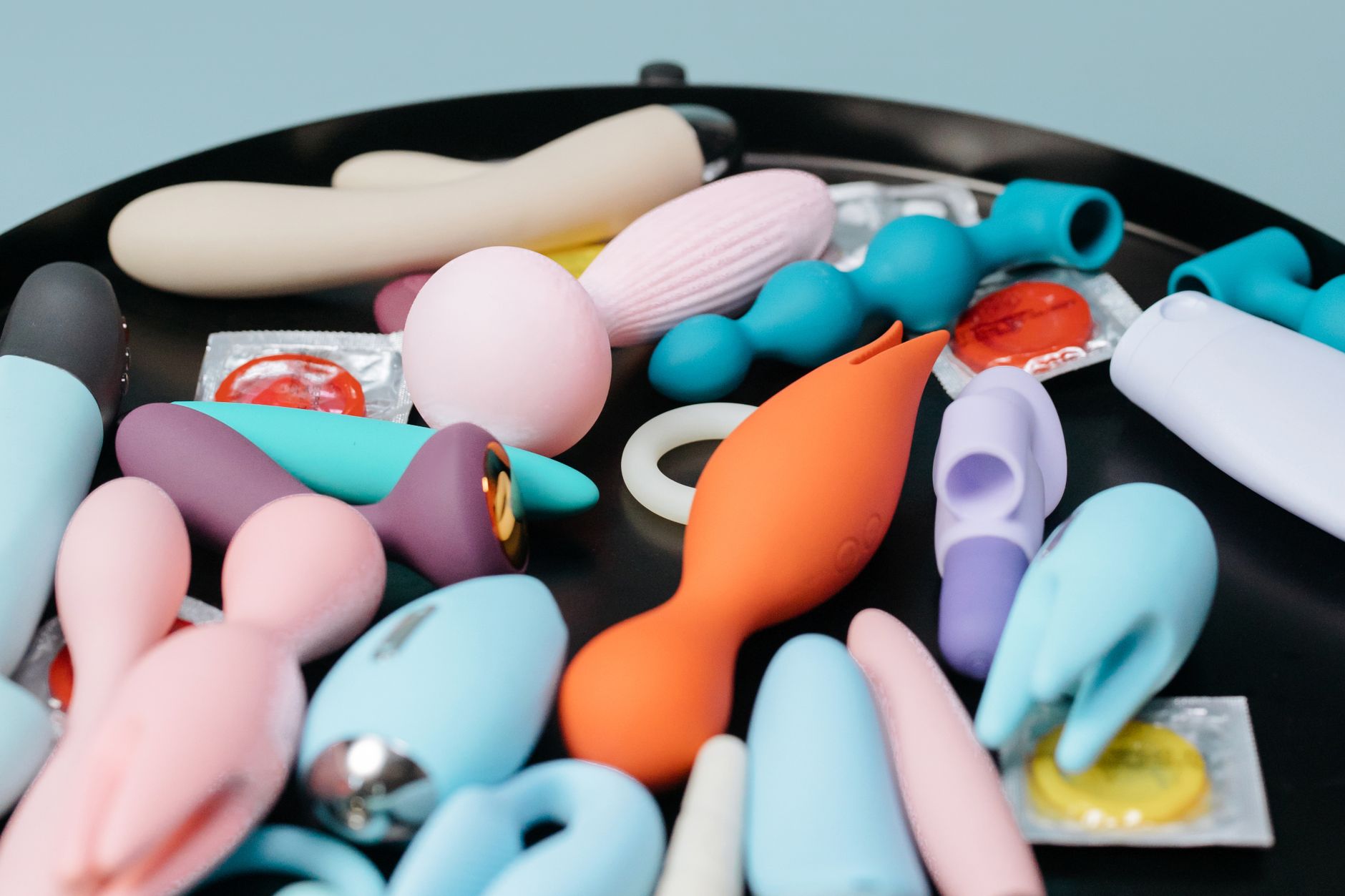
Photo by cottonbro studio on Pexels
When you might want to try a different design
If your current lemon clitoral vibrator starts feeling ineffective or uncomfortable, it's not because you're broken. It's because your tissue has new needs. Suction-based lemon suckers often work beautifully here because they adapt to tissue changes better than traditional vibration alone.
You might also notice that you need more consistent stimulation rather than patterns. Some people find that a simple, steady pulse at lower intensity works better than rhythmic patterns. Others discover that combining internal and external stimulation creates sensation where vibration alone doesn't.
The buying guide can help you understand what different designs do and why some might pair better with your post-menopausal body than others. The goal isn't to replace what you love. It's to expand what works.
Lubrication isn't optional anymore
This is worth its own section because it's so commonly underestimated. Even if you're producing lubrication naturally, adding a water-based lube changes everything during and after menopause. It's not about dryness. It's about how the toy moves. The right lube creates a glide that thinner tissue needs to feel stimulation clearly.
A quality water-based lubricant also helps protect tissue that's less elastic. It's not a crutch. It's a tool that makes sensation possible. Using lube isn't admission of a problem. It's good engineering.
The mental shift matters as much as the physical one
Here's what I see clinically that's rarely talked about: menopause is a permission structure. For years, you've probably been calibrating your pleasure around someone else's rhythm, a partner's expectations, or societal noise about what sex should look like. Menopause kills that. Suddenly, the performance pressure is gone. Fertility anxiety disappears. The cultural message that your body is past its prime (which is garbage) can actually become your escape route from that message.
This is when many people return to solo exploration with their lemon vibrator and discover, for the first time, what they actually like. Not what works. What feels transcendent.
FAQ: Your menopause and lemon vibrator questions
Will my lemon vibrator ever feel normal again?
Yes, but "normal" rewires. Most people find a new baseline within 6-12 months. Your favorite lemon clitoral vibrator might feel different permanently, but different doesn't mean worse. Many people report that once they adjust to the new sensation pattern, they prefer it to pre-menopause sensation. The key is not fighting the change.
Should I use a higher intensity lemon sucker during menopause?
Not necessarily. Higher intensity can feel abrasive on thinner tissue. Lower intensity with more lubrication and longer warm-up time often works better. The Lem and other suction-based designs excel here because they deliver stimulation without relying on intensity. Start low and experiment upward, rather than assuming you need more power.
Can topical hormone creams make my vibrator feel like it used to?
Possibly. Vaginal estrogen creams thicken tissue and increase lubrication, which can restore more pre-menopausal sensation. If you're considering hormone therapy, mention this to your doctor. Some people find that adding vaginal estrogen changes what intensity they prefer in a lemon vibrator. It's worth discussing with a menopause-aware provider.
Is it normal for arousal to take longer with a lemon vibrator after menopause?
Completely normal. The neural pathway for arousal doesn't disappear. It just takes longer to activate. Many people describe it as needing a longer runway, but the landing is often more satisfying. Budget 15-25 minutes for solo play instead of 5-10, and you'll likely find the sensation returns to richness.
Why does my partner's touch feel different during menopause?
For the same reasons your lemon clitoral vibrator does. Tissue sensitivity shifts, arousal timeline extends, and the kind of stimulation that used to work might need adjustment. This is incredibly common and usually resolves with communication and adjustment of technique. It's not a sign of lost attraction. It's biology remodeling.
Should I switch to a different type of toy entirely?
Not necessarily. Many people stay with their favorite lemon vibrator and adjust how they use it (different patterns, more lube, longer warm-up). Some find that exploring different designs unlocks new sensation. The key is experimentation without judgment, not abandonment of what you love. How lemon clitoral vibrators compare to other toy shapes might help you understand what design shifts could support this transition.
The bottom line
Menopause is not the end of your sexual responsiveness. It's a remodeling. Your lemon vibrator doesn't stop working. Your tissue, your arousal timeline, and your nervous system adapt. Understanding what's changing takes the shame and confusion out of it, and opens the door to exploring what might actually feel better.
Your body during menopause is not broken. It's different. And different, given the right approach and tools, is often richer than before.
If you're navigating this transition and want to talk through it, reach out. These conversations matter, and you deserve information that makes sense.