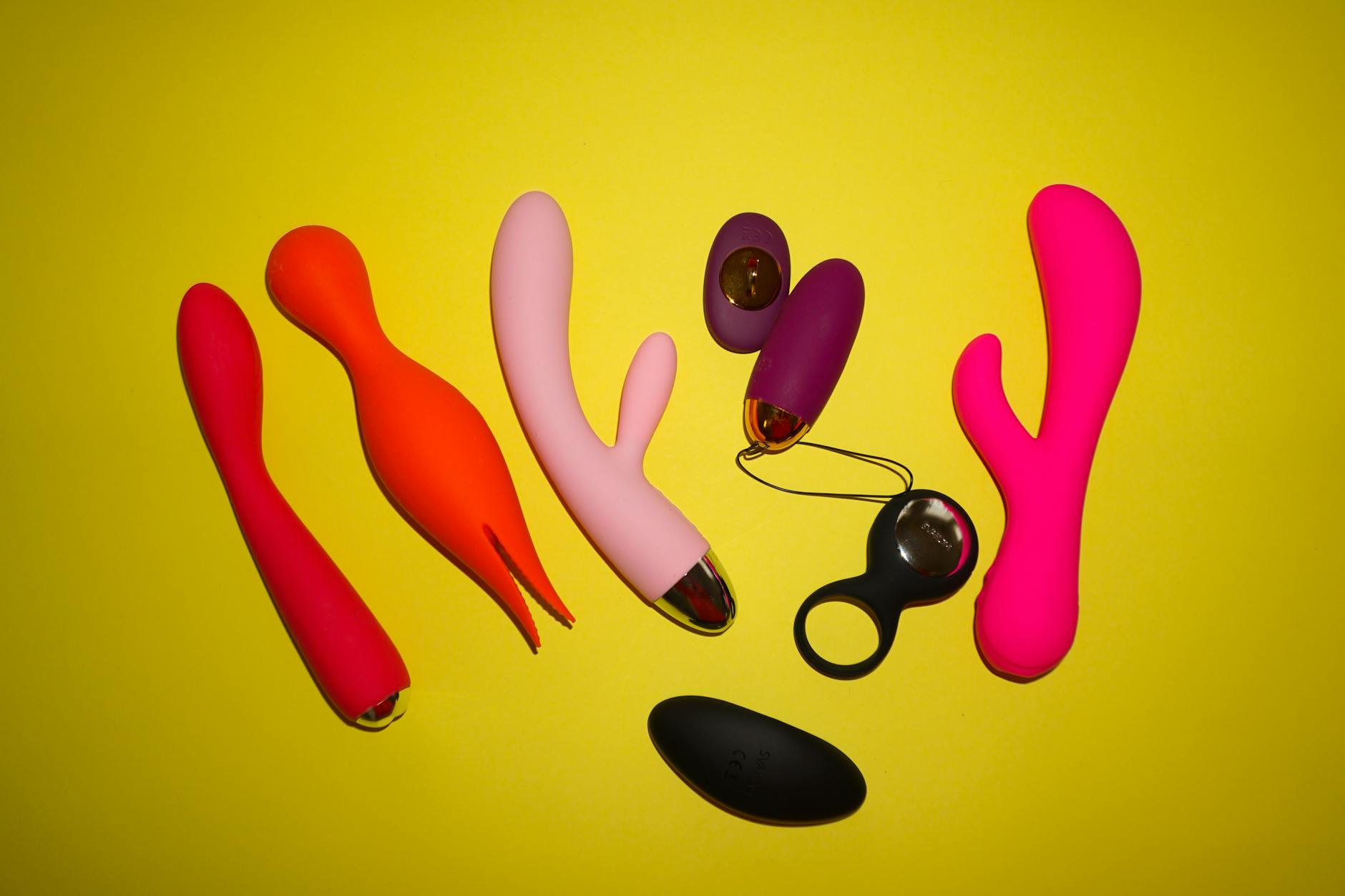
Let's talk about what makes a vibrator feel wrong
You've probably experienced this. You buy a vibrator, turn it on, and within thirty seconds you're wincing instead of relaxing. Not because you're broken, but because the toy is using mechanical friction that's too intense, too direct, or both for the tissue you're stimulating. Most clitoral vibrators work this way by default. The Lem vibrator works differently entirely.
Lemon clitoral vibrators use air-suction technology instead of traditional vibration. That single design choice matters more than you'd think, especially if you have sensitive skin, chronic pain, or you've just never found a vibrator that felt genuinely good.
How friction vibrators actually work (and where they fail)
Traditional vibrators work by moving back and forth really fast. The motor creates a tiny mechanical vibration, and that vibration gets transferred directly to your skin. For some people, this feels amazing. For others, it feels like someone's tapping you with a toothbrush while you're trying to relax.
The problem is especially pronounced around the clitoris. The clitoris has roughly 8,000 nerve endings packed into a space smaller than a pea. It's insanely sensitive. When a rigid vibrator makes direct contact and starts shaking, you're not getting gentle stimulation. You're getting constant micro-friction against delicate tissue.
Add in the fact that vulva skin is thinner than the skin on your arm, and you've got a recipe for numbing, irritation, or that overstimulated feeling where pleasure just switches off entirely. This is why so many people say vibrators hurt them. It's not a personal sensitivity issue. It's usually a vibrator design issue.
What air-suction does instead
Here's the beautiful part. Lemon vibrators and other air-suction devices don't vibrate against your skin at all. Instead, they create a gentle suction sensation that stimulates the nerve endings without friction.
The mechanism works like this. The toy has a small chamber with an opening that sits against your skin. The motor creates gentle pulses of air pressure that expand and release inside that chamber. Your skin gets drawn up slightly, then released. This happens at varying rhythms and intensities depending on the setting.
What does it feel like? Imagine someone gently sucking on your neck. It's pressure plus movement, but there's no scratching, no grinding, no friction. The stimulation is sustained rather than percussive. For most people with sensitive areas, this feels dramatically different from traditional vibration.
Scientifically, suction activates the same nerve pathways as vibration does, but through a completely different mechanism. Your clitoris responds to pressure and movement, not specifically to speed. Air-suction delivers both without the tissue trauma.
Why sensitive people report better results
I've seen this pattern repeatedly in conversations with folks who've tried both. They tell me the same thing. With traditional vibrators, they either can't feel much of anything (numbness), or the sensation is uncomfortably sharp. With a lemon clitoral vibrator, they describe the sensation as building, sustained, and actually pleasurable.
There are a few reasons for this shift.
First, suction doesn't desensitize as quickly. Friction creates a kind of sensory exhaustion where the more the toy works, the less you feel. Suction stimulates nerves in a way that actually intensifies over time if you want it to.
Second, suction adapts to your body. As tissues swell slightly from increased blood flow, the suction naturally adjusts to that change. A vibrator just keeps vibrating at the same intensity regardless of what your body is doing.
Third, there's no pain component. Pain and pleasure use different neural pathways. When a vibrator irritates tissue, even mildly, you're triggering pain fibers alongside pleasure fibers. Your brain has to process both simultaneously. With suction, you're mostly hitting the pleasure pathway.
The science of why it works better
The clitoris is structured like an inverted iceberg. What you see externally is maybe a quarter of the whole thing. Most of it extends internally, wrapped around the vaginal opening. Traditional vibrators usually only stimulate the external part, and they do it in a way that many people experience as too intense.
Air-suction, by contrast, can stimulate both the external tissue and the internal structures simultaneously. The gentle pressure activates nerves throughout that entire region. It's why people often describe orgasms from suction devices as fuller or more complete than those from traditional vibrators.
This is also why lemon vibrators are particularly helpful for people with certain medical conditions. If you have vulvodynia, post-menopausal tissue thinning, or you're recovering from genital surgery, friction can be genuinely painful. Suction stimulation bypasses that friction entirely. You get pleasure without pain.
What to expect if you switch from friction to suction
If you've used traditional vibrators before, the first time you try an air-suction device like a lemon clitoral vibrator, it might feel subtle at first. You're used to intense mechanical vibration. Suction feels different. Less buzzy, more sensual.
Give it at least a few minutes. Start at a lower intensity setting. The sensation builds. Most people say that within five to ten minutes, they're feeling pleasure in a way their previous vibrators never delivered.
One heads up. Suction devices work best when there's good contact between the opening of the toy and your skin. If you're very dry or haven't been aroused yet, you might want a tiny bit of water-based lubricant around the opening. Just a dab. Enough to help the seal form.
Also, these devices are quieter than traditional vibrators, which is genuinely nice if you're not living alone. The suction mechanism is mechanically simpler and less buzzy than a high-speed motor.
Who benefits most from this design
Sensitive skin is just the start. Here's the fuller list of people who typically report better experiences with lemon vibrators and similar air-suction toys.
People who've never owned a vibrator before often find that suction is more intuitively pleasurable than friction. There's no learning curve where you're trying to figure out why it hurts.
People with reduced sensation in the vulva from diabetes, certain medications, or age-related changes find that suction actually works better for them than friction devices. The mechanism reaches different nerve pathways.
People in relationships sometimes prefer suction devices because they're quieter, more discrete, and feel less clinical. There's something about the design that reads as more intimate.
People who experience pain during traditional masturbation but still have desire find that suction removes the pain barrier entirely. You can finally explore your own pleasure without flinching.
People who are recovering from genital surgery, childbirth, or have endometriosis sometimes can't tolerate friction at all. Suction gives them an option that most other vibrators don't.
How to choose the right lemon vibrator for your sensitivity level
Not all air-suction devices are identical. Some create stronger suction and more intensity. Others are gentler. If you're buying your first one, start with a mid-range option that has multiple intensity settings. The Lem vibrator is built with this in mind. You can start extremely low and increase gradually.
Look for toys with soft silicone around the opening. That makes contact more comfortable and helps form a better seal. Check that the device has at least three intensity settings so you're not locked into one pressure level.
Water resistance is useful. Shower use means you can clean as you go, and water actually helps the seal form better.
Charge time matters too. If you're buying a toy, you want it fully charged and ready when you're in the mood, not waiting around.
The bottom line
If traditional vibrators haven't worked for you because they feel too intense, numb you out, or just plain hurt, the issue probably isn't your body. It's likely the friction mechanism itself. Switching to a lemon clitoral vibrator or similar air-suction device can genuinely transform the experience. You're not settling for a different tool. You're using a tool designed for sensitive tissue from the start.
Your pleasure deserves better than wincing. You deserve a toy that feels good instead of just thinking it should.
People also ask
Are lemon vibrators safe for sensitive skin?
Yes. In fact, lemon vibrators are often safer for sensitive skin than traditional friction vibrators. Because they use air-suction instead of mechanical vibration, they don't create friction-related irritation. The silicone body is hypoallergenic, and the gentle suction mechanism won't cause tissue trauma. As with any toy, use water-based lubricant if needed and clean before and after use.
How is air-suction different from regular vibration for pleasure?
Air-suction creates pressure and rhythmic pulses without direct friction against your skin. Traditional vibrators use back-and-forth mechanical movement. Suction reaches deeper nerve pathways and builds sensation gradually, while friction can feel sharp and desensitizing. Many people with sensitive areas report that suction feels more sustained and ultimately more pleasurable.
Can you use a lemon clitoral vibrator if you have a medical condition like endometriosis?
Suction devices are often a good option for people with conditions that make friction painful. Because there's no friction component, you can explore pleasure without triggering pain. That said, if you have active pain or haven't cleared pleasure with your doctor yet, it's worth a quick conversation. Most providers are comfortable with suction-based toys for patients with pelvic pain conditions.
Do lemon vibrators work for people on medications that reduce sensation?
Often yes. Some medications reduce sensation everywhere, including the vulva. Suction stimulation activates different nerve pathways than friction does, so many people with medication-related numbness find that suction devices work when traditional vibrators don't. If you're experiencing this, it's worth trying.
How long does it take to feel pleasure from a lemon vibrator?
It varies, but most people notice something within the first few minutes. Start at the lowest intensity setting and take your time. Arousal matters. If you're not aroused yet, the sensation might feel subtle until your body gets into it. Give yourself at least 10 minutes before deciding it's not working. And remember, lube helps form a better seal, which intensifies the sensation.
What's the difference between a lemon sucker and a regular vibrator?
Lemon suction devices use air-pulse technology instead of vibration. A lemon sucker (another name for air-suction toys) creates gentle waves of pressure and release, mimicking a sensation similar to oral stimulation. A regular vibrator shakes mechanically. For sensitive skin, suction is usually gentler and less desensitizing. For intense sensation-seekers, some prefer the buzz of traditional vibrators. Both are valid. It depends on your body.
If you're ready to explore what air-suction can do for your pleasure, or you want personalized guidance on finding the right lemon clitoral vibrator for your needs, reach out here. You deserve a device that actually feels good.