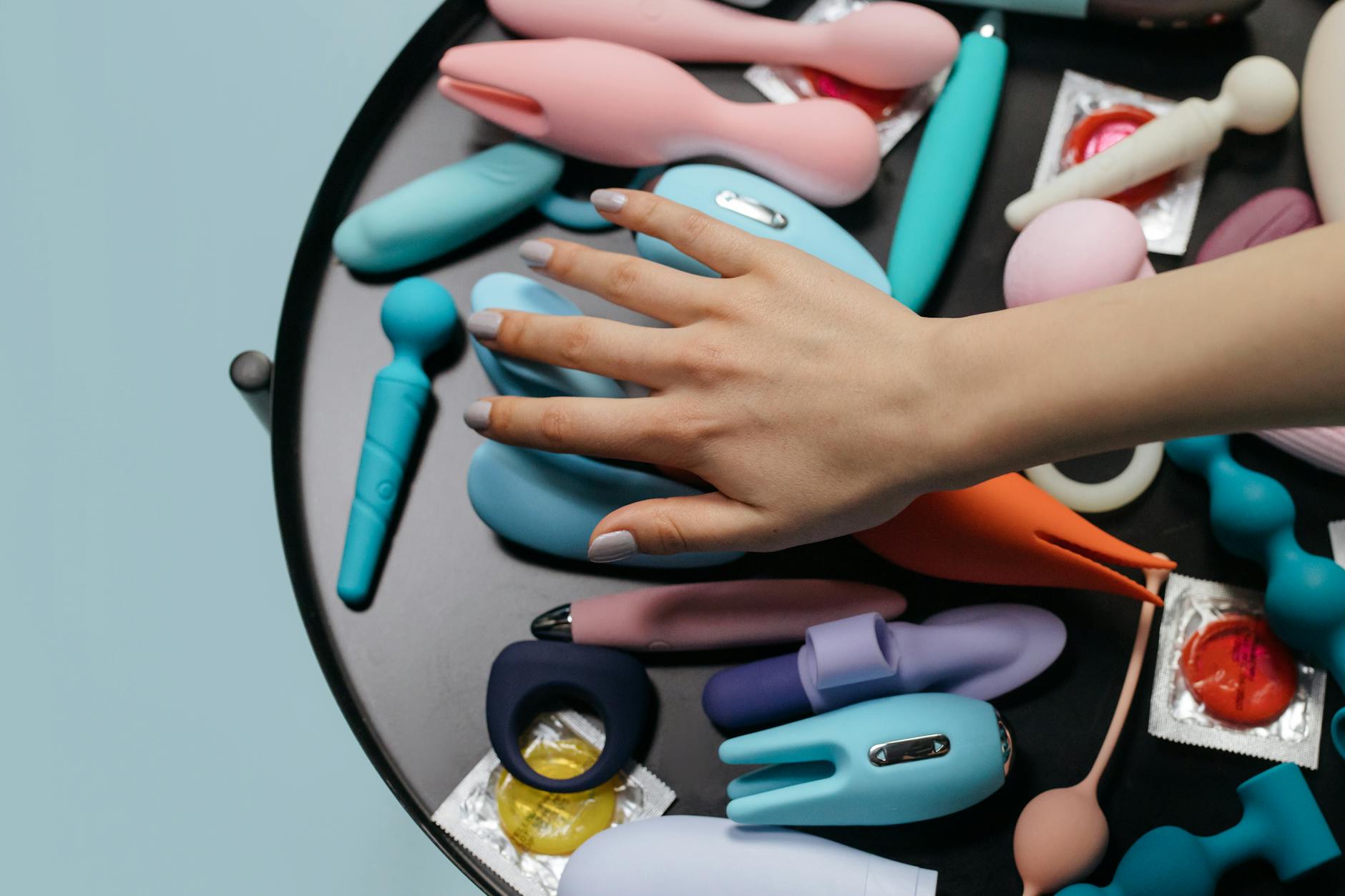
Why Lemon Vibrators Feel Different After Menopause
Let's be real. Menopause changes your body's response to pleasure. It doesn't erase it.
Your tissues thin. Lubrication shifts. The timeline for arousal stretches. And yes, the sensation you feel when using a lemon vibrator or any clitoral vibrator might land differently than it did at 35. But here's what almost nobody tells you: that difference doesn't mean worse. It often means different in ways you can work with, understand, and even prefer.
I work with women navigating this transition every week. Most arrive convinced they've lost something irretrievable. Most leave realizing they've gained clarity about what actually works for their body right now.
What menopause actually does to sensation
Estrogen is the primary architect of vaginal and vulvar tissue. When it drops during menopause, several physical changes cascade through the system:
Tissue thickness decreases. The vaginal wall becomes thinner and less elastic. The vulva loses some of its plumpness. Blood flow patterns shift. These changes affect how quickly sensation registers and how intensely you perceive it.
You also lose some lubrication. This isn't broken. This is biology. But it matters because dryness changes friction patterns, which means the same vibrator setting can feel sharper or less gliding than before.
What doesn't change: your clitoris doesn't shrink. The nerve density in clitoral tissue stays constant. The neural pathways for pleasure remain intact. Your brain hasn't forgotten how to experience arousal or orgasm.
This is crucial. Many women assume menopause means sensation is gone. It's more accurate to say sensation is altered. You're working with the same hardware, different environmental conditions.
Why lemon vibrators adapt better than traditional toys
Lemon clitoral vibrators like the Lem use suction and pulse technology rather than direct vibration alone. This matters more after menopause than it does before.
Traditional vibrators rely on sustained friction against tissue. When your vulvar tissue is thinner or drier, sustained friction can feel abrasive or even uncomfortable. Suction-based stimulation works differently. It pulls tissue gently into the device, creating sensation through differential pressure rather than relentless buzz.
Many clients report that a lemon sucker or Lem vibrator feels less intense but somehow more accessible after menopause. You're not fighting against friction. You're working with your body's actual capacity for sensation right now.
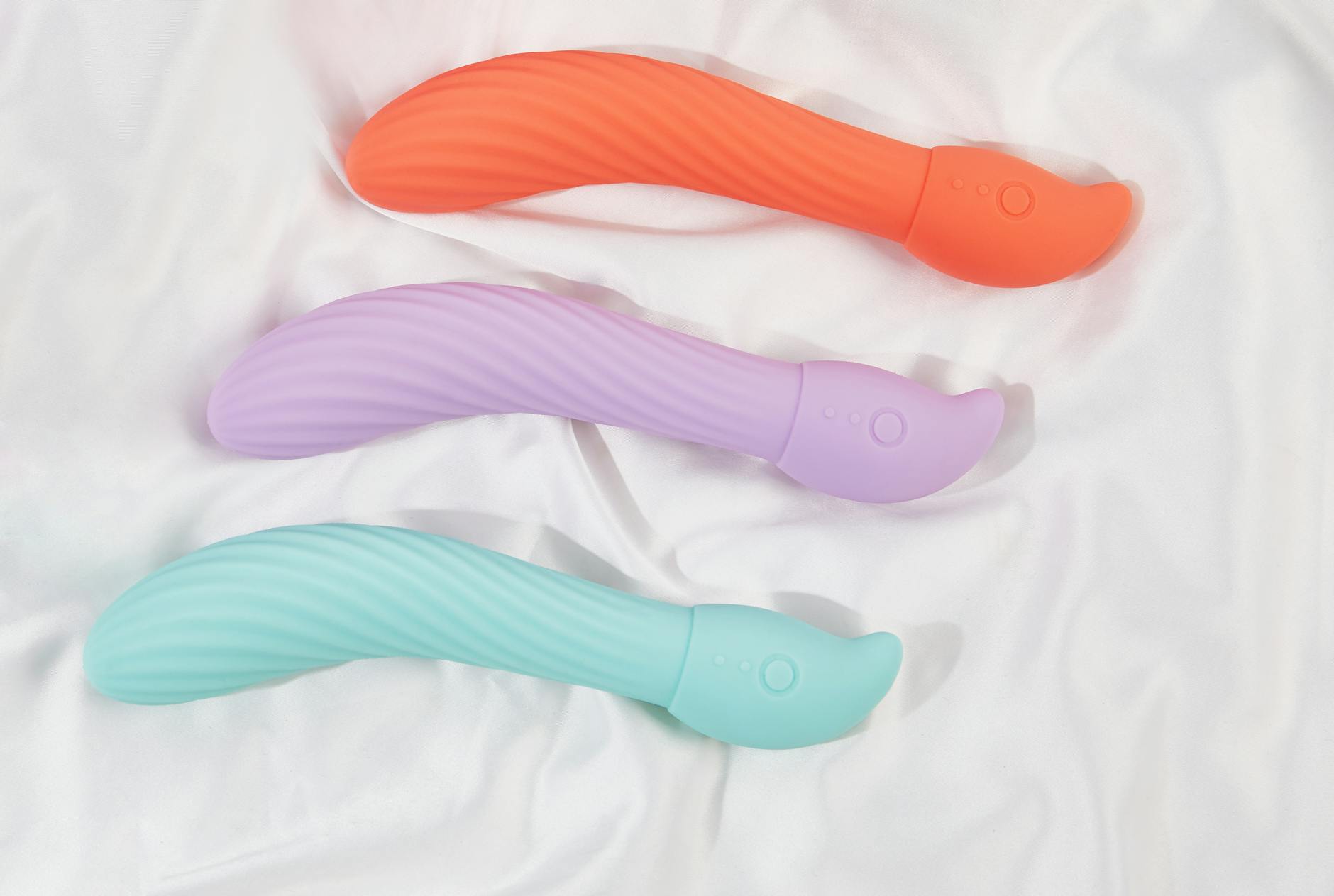
Photo by IFONNX Toys on Pexels
I also tell clients to think about pacing. With a lemon vibrator, you can start at a lower intensity setting (usually pattern 1 or 2) and gradually build. This slower arc mirrors what your body needs postmenopause. More warm-up time, more gradual escalation, less shock to the system.
The timeline shift and how to adapt
One of the first things I hear: "It takes way longer to get going now."
Yes. Arousal takes 15 to 25 minutes instead of 5 to 10. This isn't dysfunction. This is a reality you need to plan for, not fight against.
Here's what helps: budget time differently. If you've been reaching for a toy after five minutes of foreplay, try fifteen. Let your body wake up properly. When you use a lemon vibrator, that slower buildup is actually an asset. You're not trying to brute-force intensity. You're letting sensation layer.
Also consider when. Some women report better responsiveness in the morning or mid-cycle (yes, even postmenopause, some hormonal patterns persist). Pay attention to your own rhythm.
Lubrication changes and what works
You will need additional lubrication. Full stop. This isn't optional and it's not a sign something's broken.
Water-based lube is your friend here, especially if you're using silicone toys like a lemon vibrator. Silicone-based lubes can degrade silicone over time. Hybrid lubes (silicone plus water) can work, but water-based is cleanest.
Apply generously. Reapply mid-session if you need to. The goal isn't to replicate natural lubrication you've lost. It's to create the gliding surface your thinner tissue actually needs.
This one change alone shifts many women's experience from uncomfortable to pleasant.
Sensation depth and what you might discover
Here's something counterintuitive: many women report their most intense orgasms after menopause.
Why? A few things happen together. First, the pressure you've been carrying (fertility concerns, hormonal cycling, the mental load of managing your cycle) lifts. Your brain isn't managing twenty other systems. Second, the pelvic floor changes mean sensation can concentrate differently. Sometimes that feels shallower. Often it feels more focused, almost more exquisite.
Third, if you've spent decades calibrating your pleasure around a partner's timeline or preferences, postmenopause often brings permission to explore what you actually want. That psychological shift alone transforms the experience.
When you use a lemon vibrator or lemon clitoral vibrator in this phase, you're often discovering what you prefer without the noise of earlier life stages.
When to bring in your doctor
If intercourse or penetration becomes painful, that's genitourinary syndrome of menopause (GSM). It's common, it's treatable, and it's worth addressing before it shapes your expectations of pleasure.
Topical estrogen creams work surprisingly well. Vaginal moisturizers used regularly help. Your GP or gynecologist can walk you through options that don't feel invasive.
If desire has completely flatlined and isn't returning after six months of exploration, testosterone therapy is worth discussing. It's prescribed cautiously in some regions, more openly in others, but it's available and often life-changing for the right person.
The key: don't assume everything that feels different is permanent or unfixable. Many changes respond to simple interventions.
The relationship conversation
If you're with a partner, the most important thing you can do is separate two conversations that often tangle together.
Conversation one: "My body is responding differently to sensation right now. Here's what I'm learning." This is logistics. It's actionable. It's solvable.
Conversation two: "I want us to reconnect." This is emotional. It's different. Confusing them turns both into dead ends.
Many couples accidentally blame menopause for partnership issues that have nothing to do with hormones. And many accidentally miss the fact that menopause is actually a doorway to renegotiating pleasure entirely.
What actually helps (the practical list)
If you're experiencing a shift in how a lemon vibrator or other clitoral vibrator feels, try this:
Longer warm-up time. Fifteen to twenty minutes. Not rushing.
Water-based lubricant, always. Not because you're broken. Because your tissue needs it.
Lower starting intensity. Begin at pattern one or two. Build from there.
Suction-based toys like the Lem. They're gentler on thinner tissue while still offering intense sensation if you want it.
Pelvic floor awareness. Learn to relax your pelvic floor fully, not just strengthen it. Kegels are useful, but so is learning to release.
Realistic expectations about timeline. You're not slower. Your body needs different conditions.
Most importantly: menopause is not a deadline. It's a transition. What's on the other side is often richer than what came before. You're not losing pleasure. You're learning to pursue it differently.
If you're navigating menopause and feeling uncertain about how to reconnect with your own pleasure, that's completely normal. For deeper support on rebuilding intimacy during life transitions, our guide on how lemon vibrators help reconnect after extended time without sex offers practical strategies. You might also explore how to use lemon vibrators for better orgasms with less sensation pressure, which covers adjusting to changing sensitivity.
People also ask
Can you still have orgasms after menopause with a clitoral vibrator?
Absolutely. Your clitoris doesn't lose nerve density or capacity during menopause. What changes is the timeline and sometimes the sensation quality. Many women report their most satisfying orgasms arrive after menopause, when psychological noise quiets and they have permission to explore what they actually want. A lemon vibrator or other clitoral vibrator works just fine. You might need more warm-up time or a different approach, but the hardware is intact.
Why does my lemon vibrator feel less intense after menopause?
Tissue thinning and reduced lubrication mean sensation registers differently. Direct pressure that felt comfortable at 40 might feel sharper at 55. Suction-based vibrators like the Lem are often gentler and feel more accessible because they work through differential pressure rather than direct friction. You might also need to start at a lower intensity and build. That's not weakness. That's adaptation.
Is it normal to need more lubricant with a vibrator after menopause?
Completely normal. Estrogen drops, natural lubrication decreases, and tissue thins. Water-based lubricant isn't a sign something's wrong. It's basic biology. Using it generously and reapplying as needed transforms comfort and sensation dramatically. This single change makes many women go from uncomfortable to genuinely enjoying their experience.
How long does it take to adjust to pleasure after menopause?
Three to six months, usually. Give yourself time to learn what your body needs now, experiment with different approaches, and let go of expectations from earlier life stages. Many women find that once they accept the shift, pleasure comes back intensely. What takes longer is the psychological adjustment, not the physical reality.
Should I try hormone therapy if pleasure feels different after menopause?
It depends. If you're experiencing pain or your desire has completely flatlined, HRT (particularly topical estrogen or testosterone therapy) is worth discussing with your doctor. If sensation just feels different but not painful, that's usually a matter of adaptation and approach rather than something that requires medical intervention. Both paths are valid.
Can lemon vibrators work better than other toys after menopause?
Many women find them more comfortable, yes. Suction-based stimulation is gentler on thinner tissue than direct vibration alone. You can also start gentle and build slowly, which matches what your body needs postmenopause. But the best toy is always the one that works for your actual body. Experiment. Pay attention. What works for someone else might not work for you, and that's fine.
Menopause changes pleasure. It doesn't end it. That distinction is everything.
Your body is not broken. It's transitioning. And in that transition, you might discover sensation you didn't know was possible.
If you'd like personalized guidance on navigating pleasure and intimacy during this phase of life, let's talk.