Let's start with the real situation
You used to feel everything. A touch on your shoulder registered. Kissing had texture. And now? It's like someone turned the volume down on your whole body. You're not broken, and you're definitely not alone. This is one of the most common things people bring to therapy when something in their body has shifted.
Here's the thing about touch responsiveness: it's not actually about your skin or your nerves dying. It's usually about your nervous system, hormones, medications, stress load, or sometimes just years of tuning out during sex. The good news is that it's almost always reversible with the right approach. And lemon clitoral vibrators are weirdly good at waking up sensation that's gone quiet.
Why touch stops registering
There are about five big culprits, and usually it's one or a combination.
Medication side effects. Antidepressants, antihistamines, blood pressure meds, and hormonal contraceptives can genuinely numb sensation. It's not psychological. It's pharmacological. If this started when you began a new medication, that's almost always the answer.
Chronic stress and hypervigilance. When you're in constant threat mode, your nervous system deprioritizes pleasure signals. Your body is too busy scanning for danger to process subtle sensations. This is your sympathetic nervous system doing its job way too well.
Hormonal fluctuations. Estrogen, testosterone, and progesterone all affect nerve sensitivity and blood flow to genital tissue. If these are low or unstable, sensation flatlines. This shows up with hormonal IUDs, postpartum, perimenopause, or just aging.
Disconnection from your body. If you spent years not being present during sex, or if you've experienced trauma, your body learns to check out. That dissociation is protective. But it also means you're not receiving sensory information even when it's there.
Physical desensitization. Sometimes you've just used the same toy at the same intensity for so long that your tissue adapts. You need novelty or a different type of stimulation to wake it up.
Why lemon vibrators work when standard touch doesn't
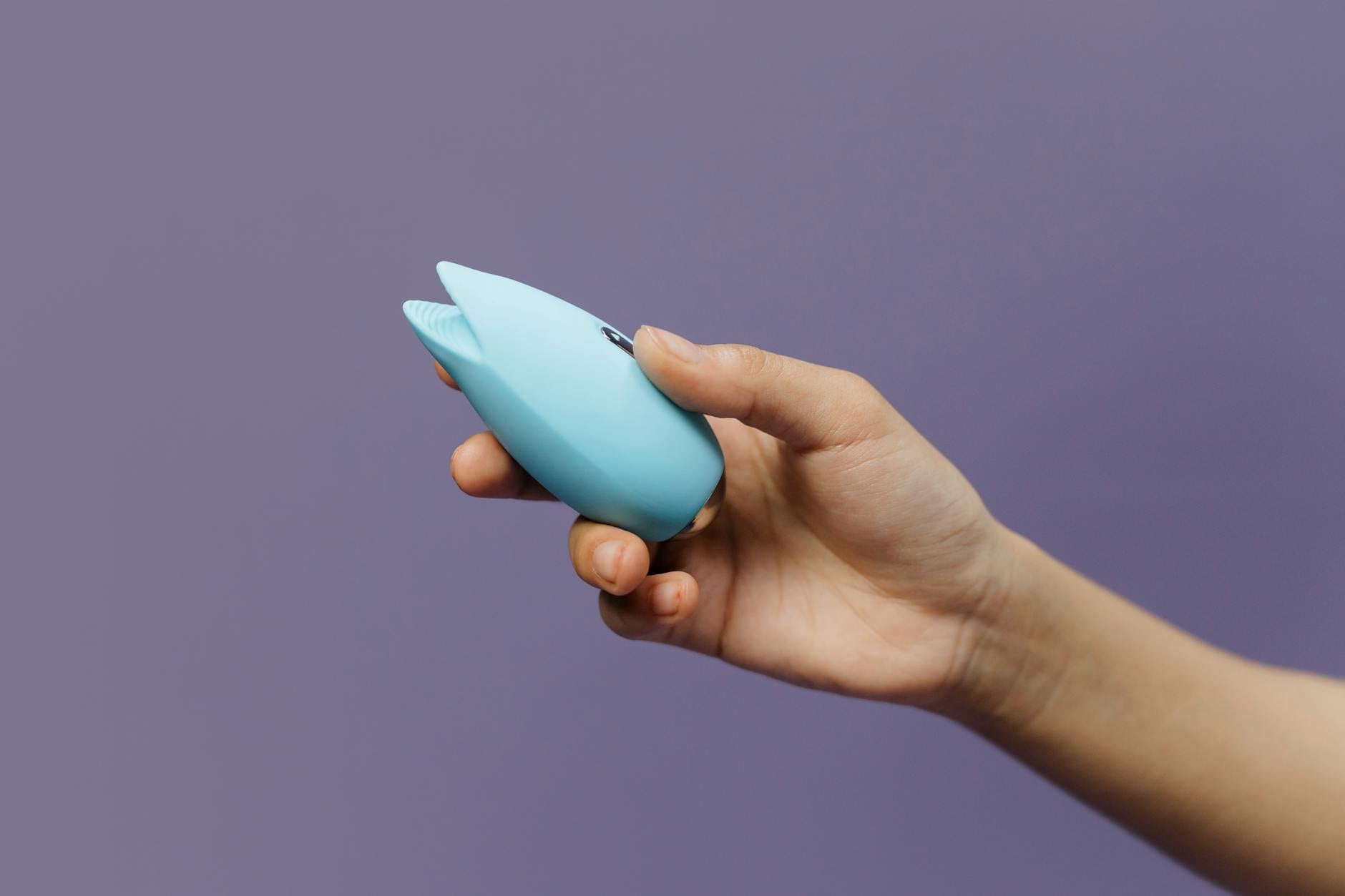
Here's the neurology that matters: air-suction lemon vibrators like the Lemon clitoral vibrator work through a fundamentally different mechanism than finger touch or even traditional vibration.
Instead of relying on friction or simple vibration, suction creates a gentle squeeze and release pattern that stimulates the entire clitoral network, not just the surface. This means you're activating deeper nerve pathways that might still be responsive even when surface sensation feels muted.
The pulsing rhythm also helps reset your nervous system. When you're stressed or dissociated, your body is stuck in a high-alert state. The repetitive, predictable pulse of a lemon vibrator can actually downregulate your nervous system, pulling you out of fight-flight-freeze and into a state where pleasure signals can come through.
And there's something about the novelty factor. Your nervous system is wired to pay attention to new inputs. If your body has gone numb to finger touch, a different sensation pattern can jolt the nerves awake. That's why people often feel something with a toy they couldn't feel with a partner's hand.
How to rebuild sensation step by step
This is not about forcing orgasms or pushing through numbness. This is about coaxing your body back online gradually.
Start with the lowest setting and the shortest sessions. Set the Lemon clitoral vibrator to pattern 1 and plan for just five minutes. That's it. You're not trying to come. You're not trying to feel much of anything yet. You're just introducing the sensation and watching what your body does.
Practice presence instead of performance. Before you turn it on, spend two minutes noticing your breath and your body in the space. Are you holding tension anywhere? Where does your mind go? This isn't meditation, it's just baseline awareness. When you start, notice: where do I feel this? How does it shift as the pattern changes? This tiny bit of attention is the bridge between numbness and sensation.
Gradually increase duration, not intensity. Once five minutes feels natural, go to seven. Then ten. Let your nervous system acclimate to the sensation before you crank up the power. Many people skip this step and stay frustrated because they jump to pattern 4 and feel nothing, when they should still be at pattern 1.
Create a distraction-free window. Numbness often comes with dissociation, and dissociation feeds on divided attention. Phone off. Locked door. Ten minutes where you're not thinking about work or your to-do list. This isn't luxury, it's recalibration.
Use lube even if you think you don't need it. Water-based lubricant helps the suction action work better and removes the friction barrier that can keep you numb. It signals to your brain that something new is happening.
The nervous system piece that changes everything
Here's what most people miss: numbness is often a symptom of a nervous system stuck in protection mode. You can't think your way out of this. You have to feel your way out.
Each time you engage with a lemon vibrator in a low-pressure, non-goal-oriented way, you're sending your nervous system a message: "It's safe to feel. It's safe to receive pleasure." Gradually, your body starts to believe that.
If you have a history of trauma or chronic dissociation, this might be worth doing with a therapist who understands somatic work. They can help you recognize when you're checking out and guide you back in.
For everyone else: it's about patience and consistency. Use the vibrator two to three times a week, not daily. Daily use can actually create adaptation and flatten sensitivity further. You're trying to wake up sensation, not exhaust it.
What changes when it starts working
Sensation doesn't come back like a light switch. It arrives in layers.
First, you might notice a physical response that has nothing to do with pleasure. Your breath changes. Your legs tense. Blood pools. These are autonomic nervous system responses that happen whether you "feel" pleasure or not. That's actually progress.
Then comes texture awareness. You start noticing the difference between pattern 1 and pattern 2. You feel the rhythm more clearly. Still might not feel like classic pleasure, but it's sensation.
Eventually, if you keep going, pleasure returns. It often arrives differently than it did before. It might be more concentrated. It might be slower to build. How Lemon Vibrators Help When You Feel Numb to Physical Touch covers more on what this can look like for different people.
Some people find that once sensation starts coming back, they also want to rebuild connection with a partner. If that's you, it helps to do some of this solo work first. You need to know what your body can do before you involve someone else's expectations.
When to loop in a doctor
If numbness started with a new medication, absolutely talk to your prescriber. There might be dosage adjustments or alternatives that don't tank sensation.
If you have diabetes, multiple sclerosis, or other conditions that affect nerve function, a lemon vibrator can still help, but work with your doctor on what's realistic for you.
If numbness arrived suddenly and includes other symptoms like burning, tingling, or pain, that's a medical thing, not a pleasure thing. Get that checked out.
The broader picture
Lemon vibrators are a tool, not a cure. They work best alongside other things: stress management, consistent sleep, possibly therapy, sometimes medication adjustment. But they're a specific, effective tool for waking up sensation when standard touch has stopped landing.
Your body hasn't forgotten how to feel. It's just protecting you right now. The goal is to gradually show it that it's safe to come back online. A lemon clitoral vibrator, used thoughtfully and patiently, is one of the most reliable ways to do that.
Start small. Stay consistent. Notice what shifts. That's the whole protocol.
People also ask
How long does it take for sensation to come back after using a lemon vibrator?
Most people start noticing shifts in four to six weeks of consistent use, two to three times per week. But "shift" doesn't always mean orgasm. It might mean you feel texture, or your breathing changes, or you notice the pattern difference more clearly. Full sensation can take two to three months depending on what caused the numbness in the first place. If numbness is medication-related, sensation usually returns faster once you adjust the dose. If it's stress or trauma-related, it can take longer.
Can you use a lemon vibrator if you're taking antidepressants that make you numb?
Absolutely. In fact, this is one of the most common scenarios we see. The vibrator works independently of the medication, and the combination often helps. Some people find that as their nervous system heals through consistent pleasure practice, they need less medication or can adjust their dose with their doctor. Never stop a medication without medical guidance, but you can definitely use a lemon clitoral vibrator while on antidepressants.
Is it normal to feel nothing the first few times you try a lemon vibrator after months of numbness?
Completely normal. You're asking your nervous system to wake up after it's been asleep. It doesn't happen in one session. That's why the protocol is weekly, low-intensity use over weeks, not a one-time test. If you use it once and feel nothing, that doesn't mean it won't work. It means you haven't given your nervous system time to respond yet.
Should you use a lemon vibrator alone or with a partner if you're numb to touch?
Start alone. When you're rebuilding sensation, partner presence adds a layer of performance pressure that usually backfires. You're already worried you won't feel anything. Adding someone else's expectations makes it worse. Once you've spent four to six weeks solo and sensation is returning, then explore partnered use if you want to. Check out how to use lemon vibrators with a partner for more on that transition.
What if you still feel nothing after eight weeks of using a lemon vibrator consistently?
First, make sure you're actually being consistent and not cranking up intensity too fast. Second, revisit the medication list. If you started or changed something recently, that's almost always the culprit. Third, consider whether dissociation is the barrier, which might mean talking to a therapist. And fourth, know that some people need combination approaches: vibrator plus stress reduction plus sometimes working with a pelvic floor specialist. One tool doesn't work for everyone, but lemon vibrators work for most people if you give them time and use them correctly.
Can using a lemon vibrator too much make numbness worse?
Yes, actually. Daily use can cause adaptation, which is when your nervous system stops responding to the same stimulus because it's become too familiar. That's the opposite of what you want. Stick to two to three sessions per week and vary which pattern you use. This keeps the stimulus novel and keeps your nervous system engaged.
Your body isn't broken. It's just temporarily offline. A lemon vibrator, used consistently and gently, helps bring it back. Start this week. Give it eight weeks. Notice what shifts.