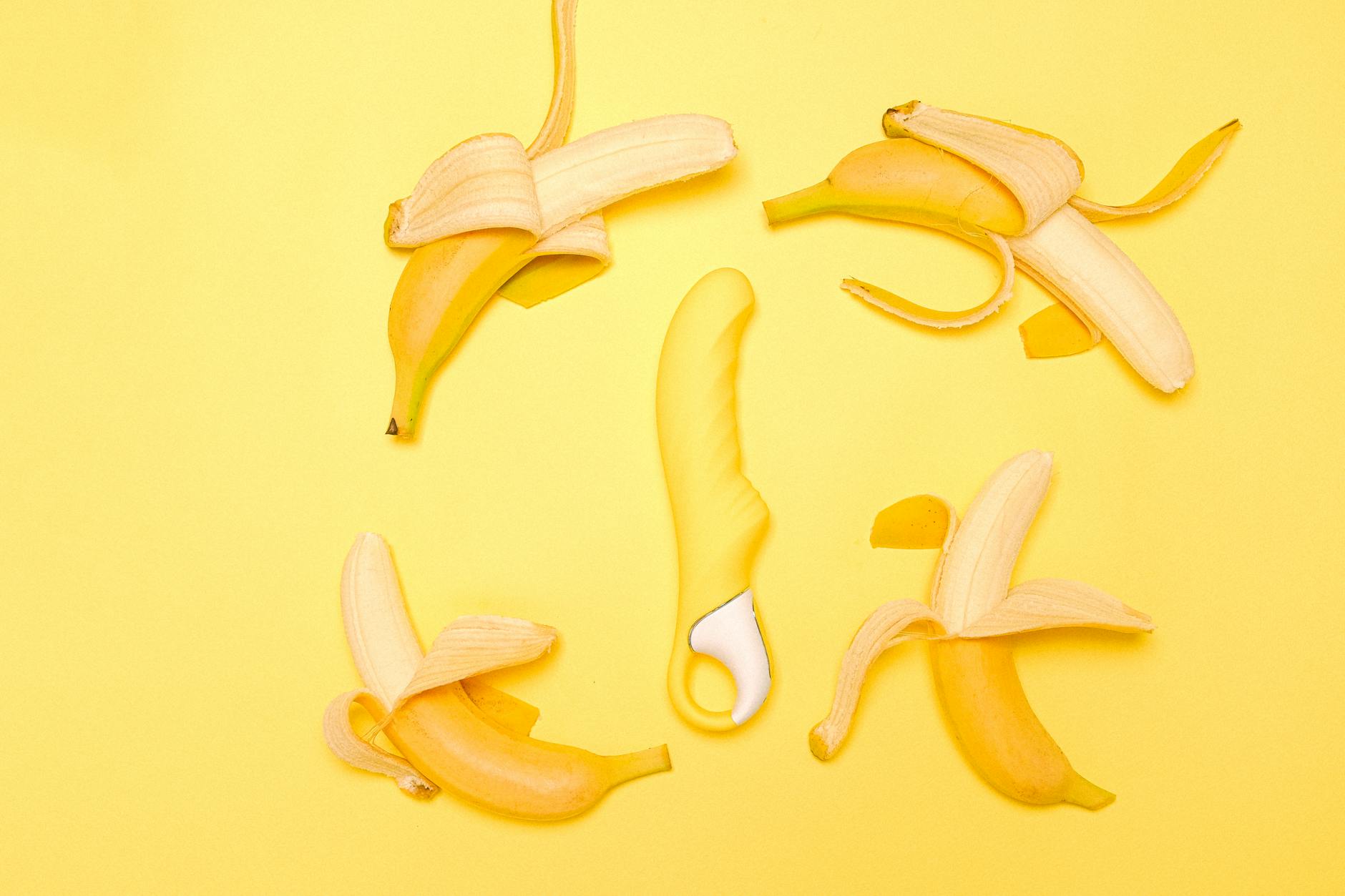
Let's be real about antidepressants and sex
Antidepressants work by changing how your brain processes serotonin and other neurotransmitters. That's a good thing when you're drowning. It's a bad thing when that same rebalancing flattens your ability to feel pleasure, delays orgasm for 30 minutes or longer, or makes it feel like you're experiencing sex from behind frosted glass.
This isn't weakness. It's not in your head. It's a known, common side effect called antidepressant-induced sexual dysfunction, and it affects somewhere between 40-60% of people on SSRIs. Your partner isn't the problem. Your body isn't broken. The medication temporarily changed how your nervous system responds to stimulation.
The good news: there are real, practical ways to work with this instead of just waiting it out.
What antidepressants actually do to arousal and sensation
SSRI-class antidepressants (the most commonly prescribed kind) work by slowing the reuptake of serotonin in your brain. More serotonin hanging around in your synapses helps regulate mood. But here's the friction point. Serotonin also dampens the neurotransmitters that fire during sexual arousal. It's like your brain's pleasure pathways got dimmed to manage anxiety.
This shows up in your body as:
Numbed sensation in the genitals. Orgasm feels distant or muted, like it's happening to someone else. It takes twice as long to reach climax, or sometimes doesn't come at all. Reduced spontaneous desire. The internal craving just isn't there the way it used to be.
Many people assume this is permanent. It often isn't. It usually takes 4-12 weeks for your system to adjust, though some people experience ongoing effects. The important thing to know: this is a recognized clinical problem with actual solutions.
Why lemon clitoral vibrators work better with medicated bodies
Here's where the engineering matters. Traditional vibrators rely on the body's sensitivity to pick up subtle stimulation. When your sensory pathways are dampened by antidepressants, subtle won't cut it. You need focused, consistent stimulation that bypasses the dulled sensation and wakes up nerve pathways directly.
Lemon clitoral vibrators, specifically the suction-based kind like the Lem, work differently than standard vibration. Instead of shaking back and forth, they create rhythmic pulses and gentle suction that stimulate nerve clusters through a different mechanism. For bodies on SSRIs, this often feels more tangible, more present. You're not trying to feel faint vibration through a fog. You're getting direct, palpable stimulation.
The other advantage: suction-based devices don't require you to maintain perfect positioning or pressure. With a buzzing wand, if your sensitivity is lowered, you might end up pressing harder and harder searching for feeling, which creates fatigue without reward. Suction does the work for you. You can relax into it.
Many of my clients on antidepressants report that lemon clitoral vibrators are what finally let them have an orgasm again. Not because the device is magic, but because it meets dampened sensation halfway.
The timeline for recovering sensation while staying on medication
Three things matter here: time, communication with your prescriber, and patience with yourself.
Weeks 1-4 after starting an SSRI. Sexual side effects often peak early, then gradually improve. This is not the time to panic or assume it's forever. Your nervous system is recalibrating.
Weeks 4-12. Many people find that sensation begins to return, though it may not be back to baseline. Some people also find that switching to a different SSRI or adjusting the dose helps without losing the mood-stabilizing benefit. This is a conversation worth having with your doctor. There's no prize for white-knuckling through sexual dysfunction.
Weeks 12+. For some people, sensation fully returns and stays stable. For others, it stabilizes at a new baseline. The goal at this point isn't to chase the old feeling. It's to recalibrate pleasure around what works now.
During this whole timeline, lemon clitoral vibrators can be a bridge. They give you access to orgasm even when sensation is muted. That matters because orgasm itself helps reset your nervous system and can actually speed up adaptation.
Practical strategies that actually help
Four things I recommend to people navigating this:
-
Start slower, not faster. The instinct when you can't feel much is to amp up intensity immediately. Resist that. Spend 15-20 minutes in the warm-up phase, let your body fully settle into arousal, and only then reach for a lemon clitoral vibrator at the lowest setting. Patience and extended foreplay matter more than power.
-
Use lubricant generously. Antidepressants can affect natural lubrication too. Water-based lubricant reduces friction and makes sensations sharper because your tissues aren't working so hard. It's not a hack. It's mechanics.
-
Talk to your partner honestly about timing and expectations. If you're on an SSRI and orgasm takes longer, your partner needs to know that's not about them or about how attracted you are. It's neurochemistry. Removing the pressure and performance anxiety actually helps sensation return faster. Read more on how to rebuild intimacy with your partner through this.
-
Ask your prescriber about timing. Some people find that if they take their SSRI right after sex instead of before, the peak medication levels hit later in the day and they have a window of higher sensitivity. Not everyone can do this (ask your doctor), but it's worth exploring.
When to consider other options with your doctor
If you're 12 weeks in and sensation hasn't improved at all, talk to your prescriber about these options. You don't have to choose between mental health and sexual health.
Switching to a different SSRI. Sertraline and paroxetine are more likely to cause sexual side effects than, say, bupropion or fluoxetine. Your brain chemistry is individual, so what tanks one person's libido might have zero effect on another.
Adding a medication to counteract the effect. Some doctors prescribe buspirone or sildenafil alongside SSRIs to restore sexual function. This isn't off-label guessing. It's evidence-based management.
Lowering the dose. If you're stable on your current dose and willing to work with your prescriber, sometimes a slight reduction helps without compromising mood stability. Again, this is a doctor conversation, not something to do alone.
Taking a medication break. For some people on lower doses, taking a pill-free day before sex helps. Ask your prescriber if this is safe for your specific medication and situation.
The bigger picture about antidepressants and pleasure
Here's what matters: antidepressants are not the problem. Untreated depression demolishes sexual function far more completely than any medication. The goal is not to choose between your mental health and your sex life. It's to find the specific medication or dose that lets you keep both.
That sometimes takes time and adjustment. During that process, tools like lemon clitoral vibrators aren't a workaround. They're a legitimate part of reclaiming agency over your body. Using a device specifically designed to stimulate through dampened sensation isn't settling. It's meeting yourself where you are right now.
Your pleasure matters. Your mental health matters. They're not in competition. They're both part of taking care of yourself.
People also ask
Can I use a clitoral vibrator if I'm on antidepressants?
Absolutely. In fact, many people on SSRIs find that lemon clitoral vibrators help restore orgasm when sensation feels muted. The key is choosing one designed for sensitive or numbed tissue, like suction-based devices. Start at the lowest setting and give yourself plenty of warm-up time. There are no medical contraindications between antidepressants and vibrators.
How long does antidepressant-related numbness last?
Most people see improvement in sexual sensation within 4-12 weeks as their body adjusts to the medication. For some, it resolves completely. For others, it stabilizes at a new baseline. If it's still severe after 12 weeks, that's worth discussing with your prescriber. You may benefit from a dose adjustment or medication switch. Some people find that sensation returns slowly over months, so patience helps.
Do all antidepressants cause sexual side effects?
No. Bupropion and some other classes cause fewer sexual side effects than SSRIs. That said, individual response varies widely. One person on sertraline might have no issues, while another experiences complete loss of orgasm. It's not predictable from the medication alone. If sexual side effects are severe, ask your doctor about alternatives.
Why does suction feel different than regular vibration on numb tissue?
Suction stimulates nerve clusters through a different sensory pathway than vibration. When sensation is dampened by antidepressants, vibration may feel too subtle to register. Suction creates more palpable stimulation that often feels sharper and more present, even when regular sensation is muted. It's biomechanics, not magic.
Is it okay to take a break from antidepressants to restore sexual function?
Never stop your medication without talking to your prescriber first. Abrupt discontinuation can cause withdrawal symptoms and mood crashes. If sexual side effects are severe, your doctor can help you explore safer options like dose adjustment, medication switching, or adding complementary treatments. Don't choose between your mental health and pleasure. There's usually a solution that preserves both.
How can I rebuild confidence in my body after medication affects my sexuality?
Start by separating medication effects from your desirability. This isn't about you. It's about neurochemistry. Give yourself permission to explore what works now instead of chasing what used to work. Using a clitoral vibrator during this time isn't settling. It's actively choosing pleasure while your system recalibrates. Talk to your partner about expectations and pressure so you can both relax. And if shame or anxiety are significant, working with a therapist alongside your prescriber can help rewire the emotional patterns that developed during the numb period.
Moving forward
Antidepressants are lifesaving for millions of people. That they sometimes flatten sexual pleasure is a real, frustrating trade-off. But it's not permanent, and it's not something you have to silently endure.
The combination of time, honest conversation with your prescriber, and practical tools like lemon clitoral vibrators gives you a roadmap back to pleasure. Your body isn't broken. Your sexuality isn't gone. You're just navigating a temporary shift in sensation, and that's entirely manageable.
If you have questions about what might work best for your body and situation, reach out. That's what we're here for.