
When touch becomes the first casualty
Let's be real. After conflict or emotional distance creeps in, physical affection is usually what evaporates first. Not because people stop wanting connection. Because touch feels complicated when there's unresolved friction. Someone reaches out. The other person tenses. The reaching stops. Weeks pass.
What I see in my practice is that couples often try to rebuild intimacy through conversation first. They talk about the disconnection, hash through feelings, promise to do better. All necessary. But then they go back to bed and feel awkward. Because your body remembers the distance even when your brain has decided to move past it.
Lemon vibrators work here because they bypass that awkwardness entirely. They reintroduce pleasure without requiring vulnerability first.
The neuroscience of touch after rupture
When there's been conflict, your nervous system is primed for threat, not connection. Oxytocin drops. Cortisol stays elevated. This means your body literally resists touch from your partner, even if your mind has forgiven them. It's not stubbornness. It's biology.
Here's where lemon vibrators shift the equation. Suction-based stimulation triggers the parasympathetic nervous system differently than penetrative touch or hand contact does. It feels targeted, contained, and non-negotiable. There's no opportunity to withdraw or second-guess because the sensation is singular and direct.
When a partner holds a lemon vibrator for you after distance, they're reestablishing a specific role. They're not trying to convince you to feel something. They're facilitating your pleasure. That distinction rewires the nervous system faster than most people expect.
I had a couple come in last year. They hadn't had sex in four months after a major disagreement about parenting. She said she felt "unsafe" with him physically, though the conflict had been resolved intellectually. I suggested they try a lemon clitoral vibrator together with no goal except his pleasure. She set the pace. He held it. After one session, she described feeling "like myself again around him."
Why suction rebuilds trust differently
There's something about relinquishing control in a specific, boundaried way that's different from traditional partnered sex after a rupture. With a lemon vibrator, the person receiving gets to stay in charge of intensity and timing. The person giving gets to focus entirely on their partner's experience without the performance pressure of their own body.
This matters because post-conflict sex often carries a weight. Both partners are trying to prove they still care. Both are anxious about whether things will feel "normal" again. That anxiety kills arousal faster than almost anything.
Clitoral vibrators, especially suction-based ones like Hello Nancy's lemon models, strip away that performance anxiety because pleasure becomes the only job. There's no proving or performing. Your body responds or it doesn't, and you're already winning because you're together.
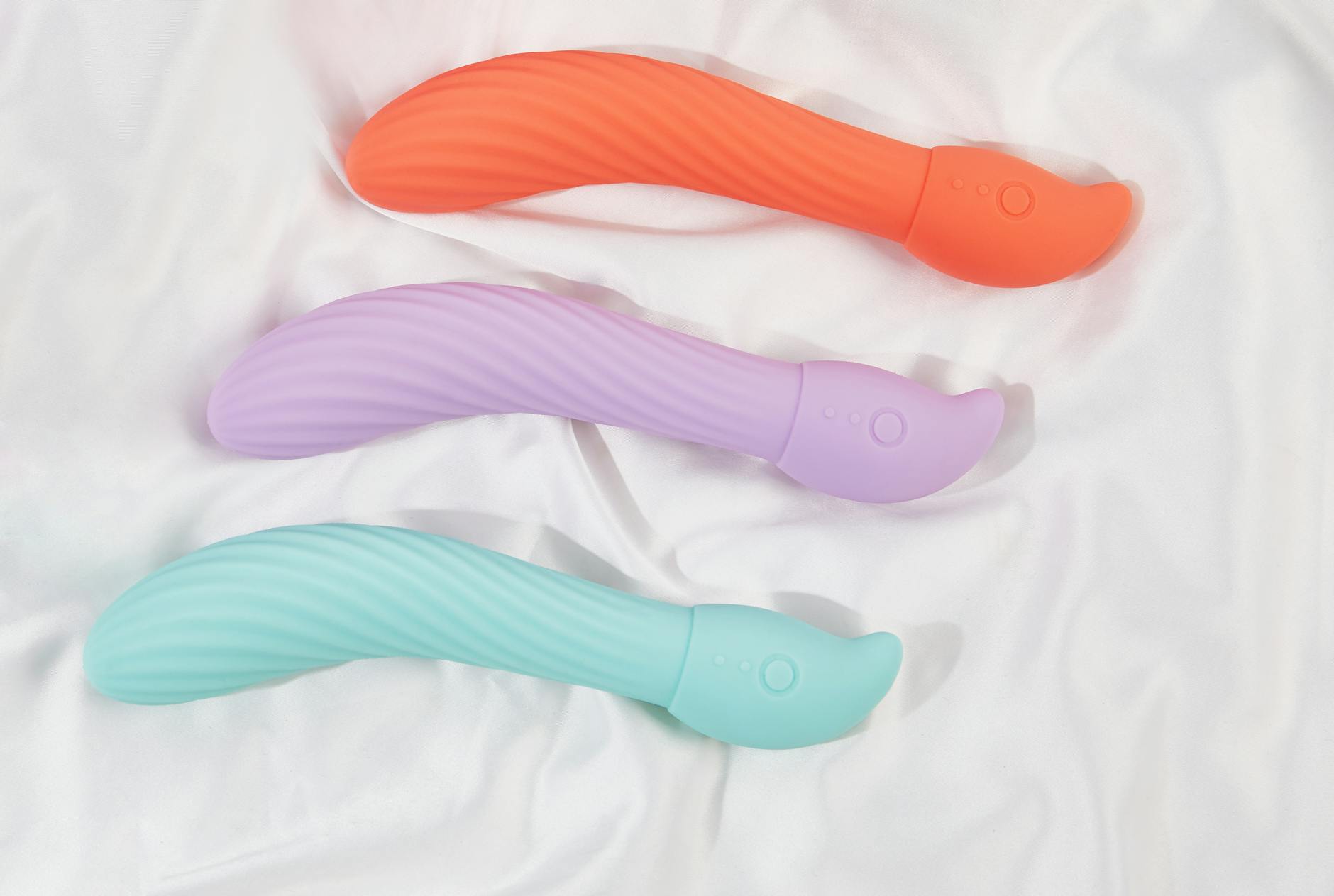
Photo by IFONNX Toys on Pexels
The permission piece (which is huge)
After conflict, pleasure often feels like the thing you're "not supposed to want" from someone you're angry with. There's a subconscious belief that desiring them sexually means forgiving too fast, settling, or letting them off easy.
Introducing a tool like a lemon vibrator gives you psychological permission to separate the pleasure from the power dynamic. You can enjoy the sensation without it meaning you've surrendered anything. Your partner can facilitate the experience without it being a direct apology (which rarely works anyway).
This is why I recommend lemon vibrators specifically over hand or penetrative reconnection. The device is neutral. It's not a body part. It doesn't carry the same emotional weight as his fingers or his body inside yours. It's just an object designed to feel good.
After a few uses, the nervous system learns that touch with this partner can be safe again. Then you can reintroduce direct contact from a place of actual safety instead of forced forgiveness.
Starting the conversation without pressure
Here's what I usually suggest couples say. Not "I want us to try a vibrator to fix our sex life," because that makes it about performance. Instead, try: "I've been thinking about us, and I want to feel connected again. I found something that might help us both relax enough to be together without the heaviness. Would you be willing to try?"
That framing moves the goal from "prove we're okay" to "create the conditions for okay to actually happen."
If your partner resists, that's information. Not about them not caring, but maybe about shame or unfamiliarity with toys. Give space for that. You might need to use it alone first, then show them what it looks like, then invite them to hold it for you.
The person holding the lemon vibrator during reconnection is in a position of service, not dominance. That matters for rebuilding trust. They're literally holding something that's bringing their partner pleasure with no payoff for themselves. It's an act of genuine presence.
The timeline for rebuilding
Don't expect one session to fix months of distance. What lemon vibrators do is crack open the door. One positive touch experience reminds your body that connection is possible. Then you can build on that. Second time, you might actually feel aroused. Third time, you might reach for each other spontaneously.
What I see most often is that the breakthrough isn't the orgasm. It's the moment right after, when you're both still there, and you realize you can be vulnerable and safe at the same time. That's when things shift.
The lemon clitoral vibrator becomes the object that reminds you both of that shift. You might stop needing it eventually. Or you might keep using it because it works. Either way, it served its purpose: it got you back here.
When to bring a therapist into the room
If the conflict was serious (infidelity, betrayal of trust, financial deception), toys alone won't fix it. You need to do the actual relational work first. A good therapist helps you understand what happened and rebuild trust from the inside out.
But if it was the everyday kind of rupture that happens in most long relationships, lemon vibrators can be genuinely transformative. They're a practical tool for short-circuiting the nervous system's resistance to touch.
I recommend them especially for couples where one person shut down sexually after the conflict and can't seem to restart. The vibrator gives permission to bypass the mental block and let the body lead for a while.
FAQ
Can lemon vibrators really fix relationship problems?
Not alone, no. But they can address a specific problem: the physical disconnection that happens after emotional rupture. They reintroduce safety into touch so the nervous system relaxes enough for real reconnection to happen. Think of them as a bridge, not a cure.
What if my partner is uncomfortable with toys?
Start by using one alone while they're nearby but not watching. Let them see you enjoy it without pressure. If shame is the issue, you might talk about where that comes from. If it's genuine disinterest, respect that and find other ways to reconnect. But often, discomfort softens when toys aren't positioned as fixing a problem with the partner.
How soon after a big conflict is it okay to try this?
Wait until the immediate anger or hurt has settled. That usually means a week or two minimum, but it depends on the couple. You want to be in the "we're trying to move forward" phase, not the "I'm still furious" phase. If you force it too early, it can feel manipulative. If you wait too long, the distance calcifies.
Do we both have to enjoy it for it to work?
No. Usually one person is more interested, and that's fine. The person holding the lemon vibrator for their partner is choosing to facilitate pleasure. That's a gift. You don't both have to be equally excited about it for it to rebuild connection. You just both need to be willing.
Can we use lemon vibrators instead of talking about the real problem?
No. Pleasure can create a window where conversation becomes easier, but it won't replace it. <a href="/blog/how-to-introduce-lemon-vibrators-to-a-partner-without-awkwardness">Introducing tools to a partner works best when you're also doing the emotional work</a>. They complement each other.
What if the vibrator makes things feel even more awkward?
That's possible. Sometimes it means you're not ready yet. Sometimes it means you both need some guidance from a therapist first. Sometimes it means the tool doesn't fit the situation. Listen to that discomfort. It's real data. <a href="/contact">Reach out to a professional if you're stuck</a>. There's no shame in needing support beyond what a toy can offer.
The bottom line
After distance, touch feels complicated. Lemon vibrators make pleasure simple again. They bypass defensiveness, reintroduce safety, and give your nervous system permission to relax. They're not a fix for fundamental relationship problems, but they're genuinely useful for the specific problem of reconnecting physically after emotional conflict.
The couples I work with who use them report that they feel less alone in their relationships faster than those who don't. Not because the vibrator is magic. But because it gives them a concrete way to choose each other when choosing feels risky.
Your body remembers distance. It also remembers pleasure. Sometimes all you need is a tool that reminds it both are possible at the same time.