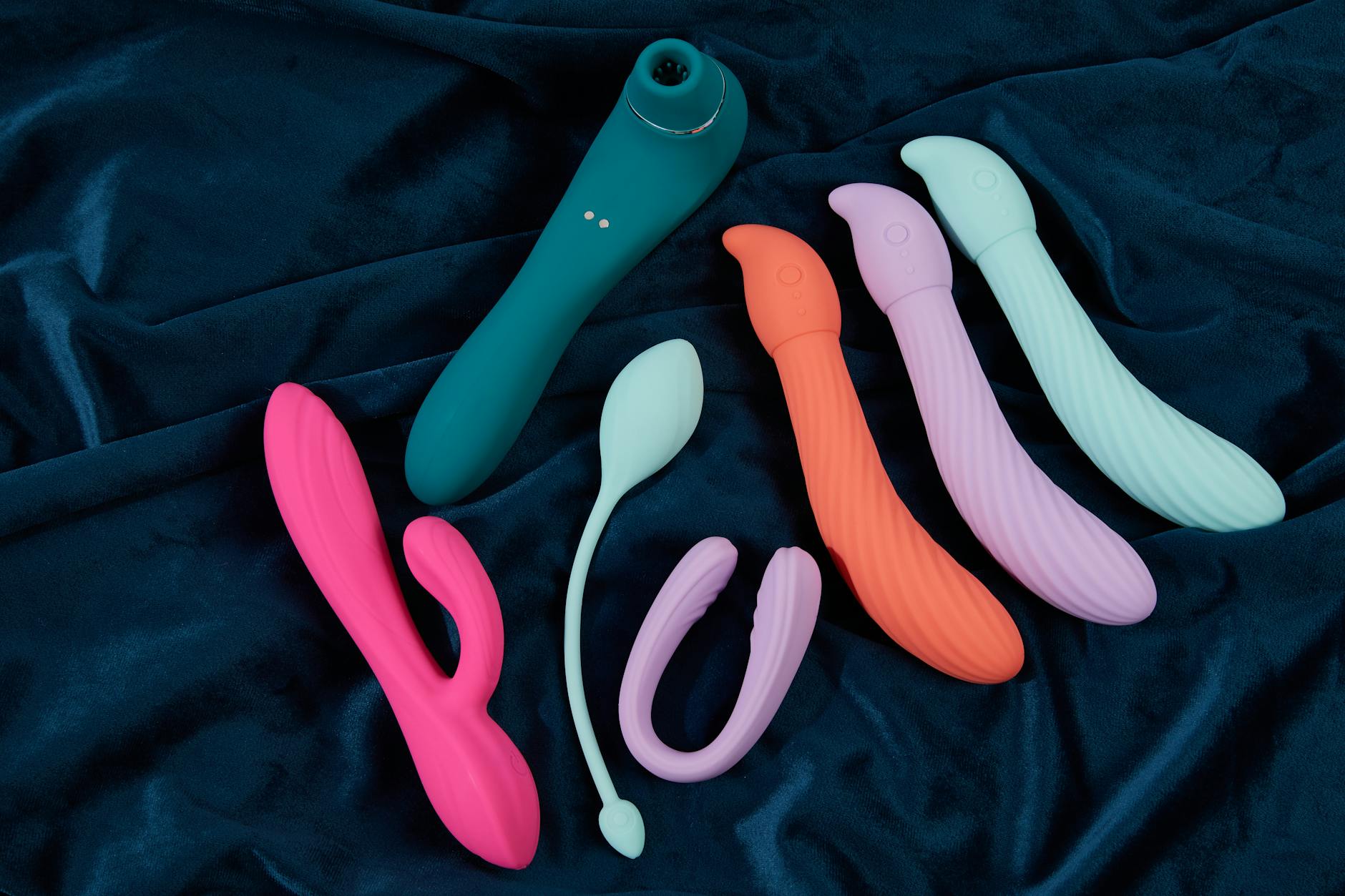
Let's be real. You've probably used a lemon clitoral vibrator before. You know your body, you know what works, you know the rhythm and intensity that gets you there. Then you meet someone new, and suddenly that familiar toy feels like a stranger in your hand.
When you're with someone new, your nervous system is in a different state. Novelty triggers heightened awareness. You're processing more data. Is your partner into this? Are they watching? Do they think this is weird? Are you performing or connecting? That cognitive load is massive, and it directly competes with pleasure.
With a long-term partner, you've built safety. You already know the answer to "do they think this is weird?" because you've had three years of conversation about it. That safety frees up your brain for actual sensation.
A new partner hasn't given your nervous system permission to fully relax yet. So when you reach for your lemon vibrator, you're not in the same parasympathetic state as when you used it alone. Your body notices. Arousal takes longer. Intensity feels different. Sometimes numbness surprises you when you expected sensation.
None of this means the toy is broken or your pleasure is broken. It means your context changed.
Arousability isn't a fixed setting. It's a state. Three major factors shift when you're with a new partner.
Trust takes time. I don't mean you don't trust them as a person. I mean your body doesn't yet trust that this is a safe place to let go. Vulnerability and arousal use overlapping neural pathways. The more you're holding back emotionally, the less available your body is for pleasure. A lemon vibrator can't rewire that. Only time and demonstrated care can.
Novelty changes blood flow patterns. When everything is new, your body is in a scanning state. More cortisol, more alertness. A lemon sucker works differently when you're hypervigilant than when you're relaxed. Arousal is slower to build, sensation feels muted, and the orgasm itself might feel less intense because your pelvic floor is holding more tension.
Vulnerability tastes different. Using a toy alone is a private conversation. Using one with a new partner is an act of exposure. Your brain categorizes this as risky, even if emotionally you want it. That categorization genuinely affects how pleasure registers.
Here's the thing most people get backwards. They wait until the relationship is solid to bring a toy into the bedroom, thinking "it'll feel more comfortable when we're sure about each other." Sometimes that's right. But often, introducing a lemon clitoral vibrator earlier actually makes the early phase easier.
Why? Because toys normalize the conversation about what you want. They give you a script. "I love this toy, I'd like to use it with you" is easier than "I want you to do exactly this with your fingers for exactly this long." The toy becomes a third thing in the room, which paradoxically reduces pressure on your partner to be the sole source of your pleasure.
New partners often worry they're not doing it right. When you pull out a Hello Nancy toy, you're saying "I have a thing that works for my body, I want to enjoy it with you here." That's information, not criticism.
When you transition from using a lemon vibrator alone to using it with a new partner, a few things typically shift.
Arousal timeline gets longer. Budget an extra 10 to 15 minutes for warm-up. Your nervous system needs more runway to reach the relaxation required for pleasure. This isn't abnormal. It's actually healthy. You're moving from self-stimulation to partnered intimacy, and those require different neurological conditions.
Sensation intensity might feel muted at first. Your brain is dividing attention. Part of it's on the toy, part of it's on your partner's body, part of it's monitoring your own performance. That's divided bandwidth. After a few times, when you've built familiarity, sensation returns to baseline. This is temporary.
Orgasm might feel different in shape or timing. With a partner present, many people experience orgasms that are shallower or shorter than what they're used to alone. Some find them more intense because of the emotional component. Both are normal. You're in a different nervous system state, so the same toy produces a slightly different experience.
Pelvic floor tension often increases. When you're new to someone, you unconsciously hold more tension in your pelvic floor. A toy that felt smooth and powerful alone might feel slightly uncomfortable if you're clenching. That's why learning to relax your pelvic floor before partnered sex becomes more important in a new relationship than it might have been when you were using toys alone.
You don't need permission to use a toy. But I do think you benefit from being direct about it with a new partner. Here's what works.
"I want to use my lemon vibrator with you. It helps me enjoy myself more, and I'd like you here when I do it." Full stop. No apology, no overexplaining, no "I hope that doesn't weird you out." You're making a statement about your body and inviting them in.
Then give them a role that isn't "watch me use a toy because I'm not satisfied with you." Let them touch you elsewhere. Let them kiss your neck. Let them control the pace. They become part of the experience, not an audience to your solo pleasure.
New partners almost always worry they're being replaced. A toy isn't a threat to your relationship. Your silence about what brings you pleasure is. A lemon vibrator, used openly, is actually an intimacy builder. It says "I trust you with my body and what it needs."
There's no universal timeline. But I do think there's a difference between "I'm waiting until we're more established" and "I'm waiting because I'm scared."
If you're waiting because you genuinely haven't had a conversation about pleasure yet and it feels too soon, okay. You might be right. Four dates is different from four months.
If you're waiting because you're nervous they'll think you're high-maintenance or strange, I'd gently push back. How you introduce lemon clitoral vibrators to a partner matters way more than the timeline. A confident "I want to use this" at month three lands different than an apologetic "Is it okay if I maybe use this, but only if you're comfortable?" at month six.
The weird feeling you might get from using a toy you love with someone new isn't about the toy. It's about the transition from solo pleasure to shared pleasure. That transition takes a few rounds. By the third or fourth time, your nervous system will recognize the context as safe, and the toy will feel more like itself again.
No, and that's by design. Your nervous system is in a different state. Arousal is slower, sensation might feel muted, and your pelvic floor is likely holding more tension. After a few experiences together, as safety builds, the toy will feel more familiar. This is temporary and completely normal.
Yes, if you haven't already. That way you know what baseline pleasure feels like for you. You're not discovering the toy and the partner experience at the same time. You have a reference point for what's normal vs. what's new-partner-nerves.
Two things: one, you might be holding more pelvic floor tension than usual. Try taking five minutes to consciously relax that area before you use the toy together. Two, your nervous system might be in a state where direct stimulation feels too intense. Start at a lower intensity setting and work up. There's no rush.
Not weird. Strategic. It opens a conversation about pleasure early, which actually strengthens intimacy. It also takes pressure off your partner to be your only source of pleasure. The weirdness lives in avoidance, not in being direct about what your body needs.
No. But integrating toys into partnered sex takes intention. You're not replacing partners with toys. You're expanding the range of sensations available. Many people find that using a clitoral vibrator with a partner, then switching to hand or mouth stimulation, actually strengthens the overall experience because you've started arousal together.
That's a conversation worth having early. If someone is genuinely threatened by you having a tool for your own pleasure, that's information about their relationship with boundaries and your pleasure. You don't have to fix that. You do have to decide if you want to be with someone who needs you to be less satisfied to feel secure. Most people who seem threatened at first become comfortable once they realize the toy isn't replacing them. It's augmenting the experience.
Using a lemon clitoral vibrator with a new partner isn't about the toy. It's about building a relationship where pleasure is a shared conversation. The weird feeling you might get is your nervous system adjusting to intimacy. That adjusts with time, conversation, and repetition.
Your body knows how to feel good. A new partner just changes the context in which it does. Give it a few rounds. Then pay attention to what shifts. Most people find that once the newness settles, pleasure deepens because the emotional component becomes more solid.
If you're navigating this and want to talk through how to have the conversation, or you're hitting resistance that doesn't seem to settle, that's what I'm here for. Reach out at Hello Nancy. Let's get you to a place where pleasure feels easy with someone new.