The timing mismatch nobody wants to name
Here's what happens in thousands of bedrooms every week: one partner comes in five minutes, the other needs twenty. Nobody says it out loud. Both people just... know. And that knowledge sits there like a third person in the room, making everything feel off.
The faster partner feels guilty or bored. The slower partner feels pressured or resentful. And the sex that's supposed to be connecting you does the opposite. This isn't a dead bedroom problem. It's a synchronization problem, and it's fixable.
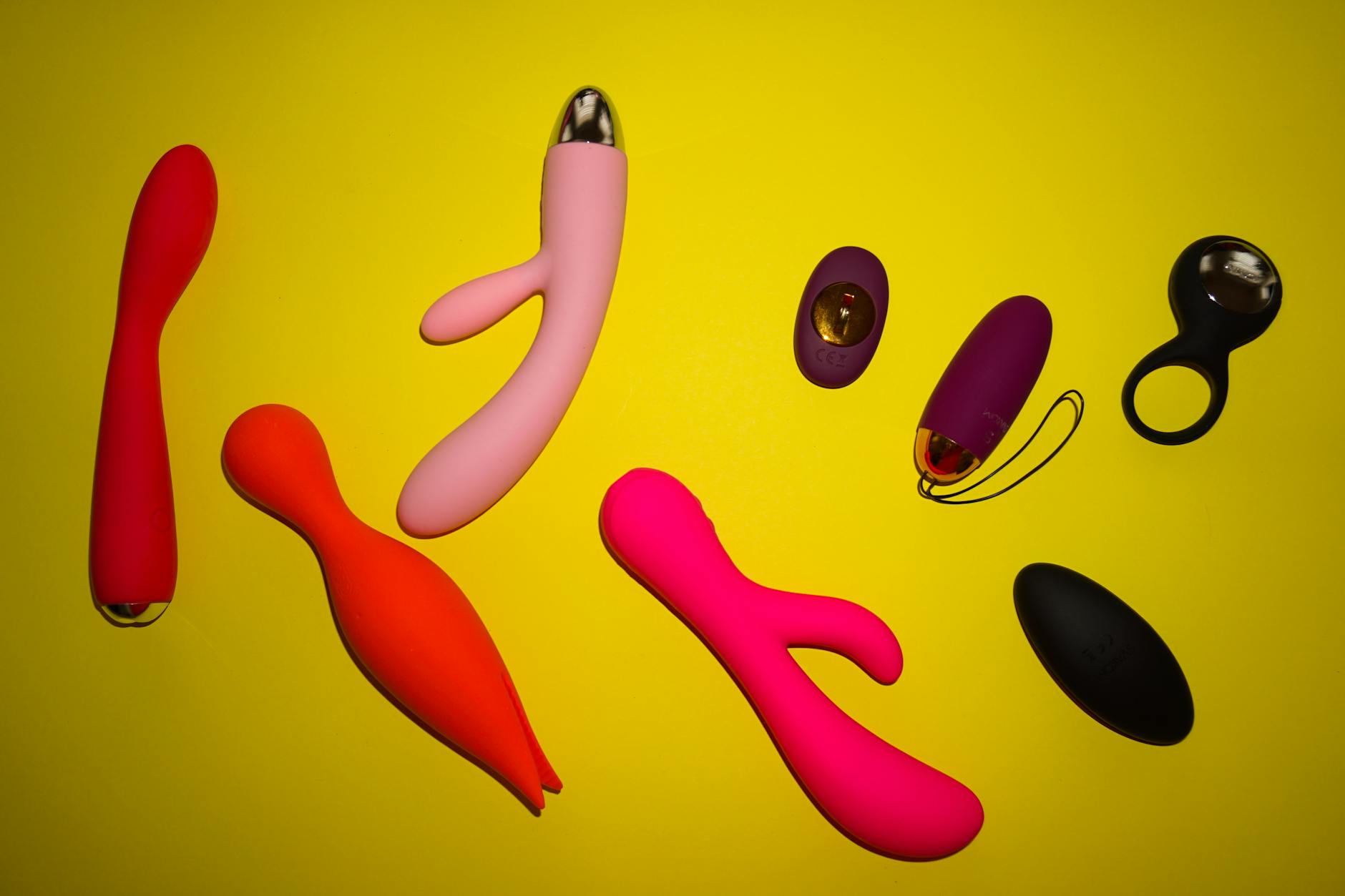
Lemon vibrators change the math on this entirely. Not by rushing anything. By making speed irrelevant.
Why orgasm timing feels like failure
We're taught that "good sex" looks like simultaneous orgasm. Movies, early relationships, porn—all reinforce this idea that you're supposed to come together. If you don't, someone messed up. If you come first, you've finished too quickly. If your partner comes first, you've taken too long. It's a losing game with rules nobody actually enjoys.
The reality is that simultaneous orgasm is like getting struck by lightning while holding a specific playing card. It happens, it's fine, but it shouldn't be the goal. And the moment you release that expectation, orgasm timing stops being a failure metric and becomes just... data.
When one partner comes quickly and the other doesn't, that's not a defect. That's just different nervous systems. Different muscle tone. Different arousal patterns. It's not fixable by trying harder. It's not a sign you're incompatible. It's a logistics problem, and logistics problems have solutions.
How lemon vibrators solve the logistics problem
The traditional approach to mismatched timing is to wait. The person who comes fast waits for the person who comes slow. This feels sexy in theory. In practice, it creates pressure. The slower partner feels rushed. The faster partner gets soft or loses focus. Everyone's tense. Nothing works.
Lemon clitoral vibrators change the equation. Instead of waiting for synchronization, you're creating parallel pleasure. Here's how it works:
The person with a vulva uses the vibrator. The person without focuses entirely on their partner's body, rhythm, and feedback. There's no clock running down for penetrative sex. There's no "finish him first and then hope she comes." There's just continuous stimulation for whoever needs it, and focused attention from whoever's partnering.
For many couples, this flips everything. The person who usually comes "too fast" finally gets to stay engaged past their climax. The person who usually comes slow gets sustained, focused stimulation that's often more efficient than anything else. And the rhythm shifts from "trying to sync" to "each person's pleasure builds independently, in real time."
The practical setup that actually works
Start by naming the timing difference out loud. I know that sounds awkward. Do it anyway. "Hey, I usually come faster than you do, and I think that's what's making me anxious." Naming it removes the shame, and shame is what keeps couples from problem-solving.
Then, agree on a rhythm that doesn't require anyone to perform or rush. Many couples find that this works:
Introduce the lemon vibrator into foreplay while everything else is happening. Penetration isn't the main event yet. It's just part of the landscape. The vibrator is steady, reliable stimulation that doesn't require your partner's timing to work.
When the faster partner is close to orgasm, keep going. Use the vibrator. Come. Then stay engaged. Your job isn't to finish and roll over. Your job is to keep focusing on your partner's pleasure while the vibrator does its work.
For the person who needs longer, this changes everything. Orgasm isn't a race anymore. It's not something you're trying to hit before your partner loses interest. It's just stimulation that continues as long as you need it. Many people find their orgasm actually becomes stronger when the pressure lifts.
Where the shame usually gets in
Most couples don't talk about orgasm timing because talking about it feels like admitting failure. The faster person thinks they're broken or selfish. The slower person thinks they're taking too long or being a burden. Both are trying to manage the other person's feelings instead of just fixing the problem.
Lemon vibrators interrupt that shame loop because they're explicit tools. They're not about doing something "wrong." They're about doing something different. Using a vibrator together reframes the whole conversation from "what's wrong with us" to "what works for us."
If you're the person who comes fast, using a vibrator on your partner isn't boring. It's actually hotter for most people because you get to focus entirely on their pleasure. If you're the person who comes slow, using a vibrator isn't cheating or taking shortcuts. It's just smart design for your body.
Positioning and communication during
The most common mistake couples make is trying to stay in the same position while introducing a vibrator. Don't. Shift. Get comfortable. Have your partner sit or kneel in a way that gives you good access with the vibrator. Penetration can happen simultaneously, or it can come later, or it might not happen at all that day. None of these options is wrong.
Talk during this. Not clinical talk. Just feedback. "Tighter circles." "A little slower." "More pressure." Your partner can't read your mind, and good penetrative sex requires continuous communication anyway. The vibrator just makes that conversation easier because there's no ego attached.
For the partner using the vibrator, pay attention to breathing, body tension, and small movements. Your partner might come in five minutes or fifty. The vibrator does the same thing either way. Your job is to stay present and responsive.
The emotional payoff
Once couples move past orgasm timing as a failure metric, something shifts. Sex becomes about pleasure instead of performance. The person who used to feel guilty for coming fast realizes their partner isn't resentful. The person who used to feel pressured by slow orgasm realizes their partner is actually happier when the vibrator is involved. Everyone's nervous system relaxes.
Many people tell me that mismatched timing actually became the reason they discovered better sex. They had to communicate. They had to get intentional. They had to stop autopiloting. All of that made the intimacy deeper.
Your partner's pleasure doesn't diminish yours. Your slower orgasm doesn't diminish theirs. You're not running a race against each other. You're building something together. A lemon clitoral vibrator is just a tool that makes that possible.
When to introduce it and how to frame it
Don't wait until you're already frustrated. Bring it up in a relaxed moment, not mid-conflict. "I've been thinking about trying something that I think could actually make things better for both of us." Frame it as an experiment, not a fix for a broken system.
If your partner is hesitant, listen to why. Sometimes it's about ego. Sometimes it's about pressure to perform differently. Address the actual concern, not the vibrator. "I'm not saying you're doing anything wrong. I'm saying this might be fun for both of us." Keep it simple.
Start with exploration. Get the vibrator out. Try it together without any pressure to make it work. See what feels good. Adjust. Play. This is supposed to be fun, not another checklist item.
The questions couples actually ask
Once you start using lemon vibrators together, new conversations emerge. That's healthy. It means you're communicating about pleasure, which most couples never do.
Honestly though, the timing problem usually solves itself once you stop treating it like a failure. Lemon vibrators are just the tool that makes stopping possible.
People also ask
Will using a vibrator make my partner feel inadequate?
Only if you frame it that way. Most partners actually feel relief when the timing pressure lifts. You're not saying they're bad. You're saying you want both of you to feel good, and this helps. Many people find their partner is more attentive and present once a vibrator is part of the experience because there's no clock ticking.
How do I bring this up without hurting my partner's feelings?
Focus on what you want to add, not what's broken. "I'd love to try using a vibrator together" is different from "I come too fast and I need help." One is about exploration. One is about fixing something. Stick with exploration. Then let the improved sex do the talking.
Is it normal for my partner to come much faster than me?
Completely. Some nervous systems are wired for faster arousal and climax. Others need more time and consistent stimulation. Neither is better. They're just different. Most couples run into this at some point, and most couples who talk about it find a rhythm that works.
Can we use a vibrator with condoms?
Absolutely. Just use a water-based lubricant with the vibrator. Silicone lube can degrade silicone toys, so stick with water-based. The vibrator works exactly the same way through a condom.
What if we've tried vibrators before and it didn't help?
Something's still under the surface—shame, pressure, or disconnection. Talk about what didn't work instead of just trying something new. Sometimes the issue isn't the tool. It's the conversation (or lack of it) around the tool.
How often should we use a vibrator if we're timing-matched?
As often as you want. Orgasm timing isn't the only reason to use one. Some couples use vibrators every time. Some couples use them occasionally. Some people use them solo. There's no schedule. Just use them when it feels right.
The actual point
Mismatched orgasm timing is a logistics problem, not a relationship problem. And logistics problems have solutions. A lemon vibrator is one of them. Not because it fixes you. Because it removes the pressure that was making everything feel broken in the first place. Once that pressure lifts, most couples discover that the sex was fine all along. They were just fighting the clock.