Let's talk about what a breakup does to your body
A breakup isn't just emotional. It physically rewires your nervous system. Your body learned to expect touch, rhythm, and presence from another person. Then suddenly it doesn't. That absence is real. It lives in your skin.
Most people don't talk about this part. They talk about heartbreak, about processing the relationship, about getting closure. All valid. But what about rebuilding your capacity for pleasure when your body feels unsafe, numb, or resentful of touch itself?
That's where this gets practical.
Why solo pleasure matters in recovery
Here's the thing nobody tells you: reconnecting with your own pleasure after a breakup is radical self-care. Not hedonism. Not distraction. It's actually retraining your nervous system to associate your body with safety, control, and joy again.
When you're with a partner, pleasure is collaborative. You're reading their response, adjusting to their rhythm, sometimes performing arousal even when you don't feel it. After a breakup, solo pleasure is different. It's just you. No performance. No compromise. No one else's needs in the equation. This is where lemon clitoral vibrators become less about reaching an orgasm and more about remembering that your body is yours.
Research on relationship recovery shows that people who actively rebuild a positive relationship with their own bodies report faster emotional healing and healthier patterns in future relationships. You're not healing alone. You're healing with yourself.
The first phase: permission and gentleness
Don't jump straight to your old rhythm. Your body needs permission to be slower, softer, and less goal-oriented than it was before.
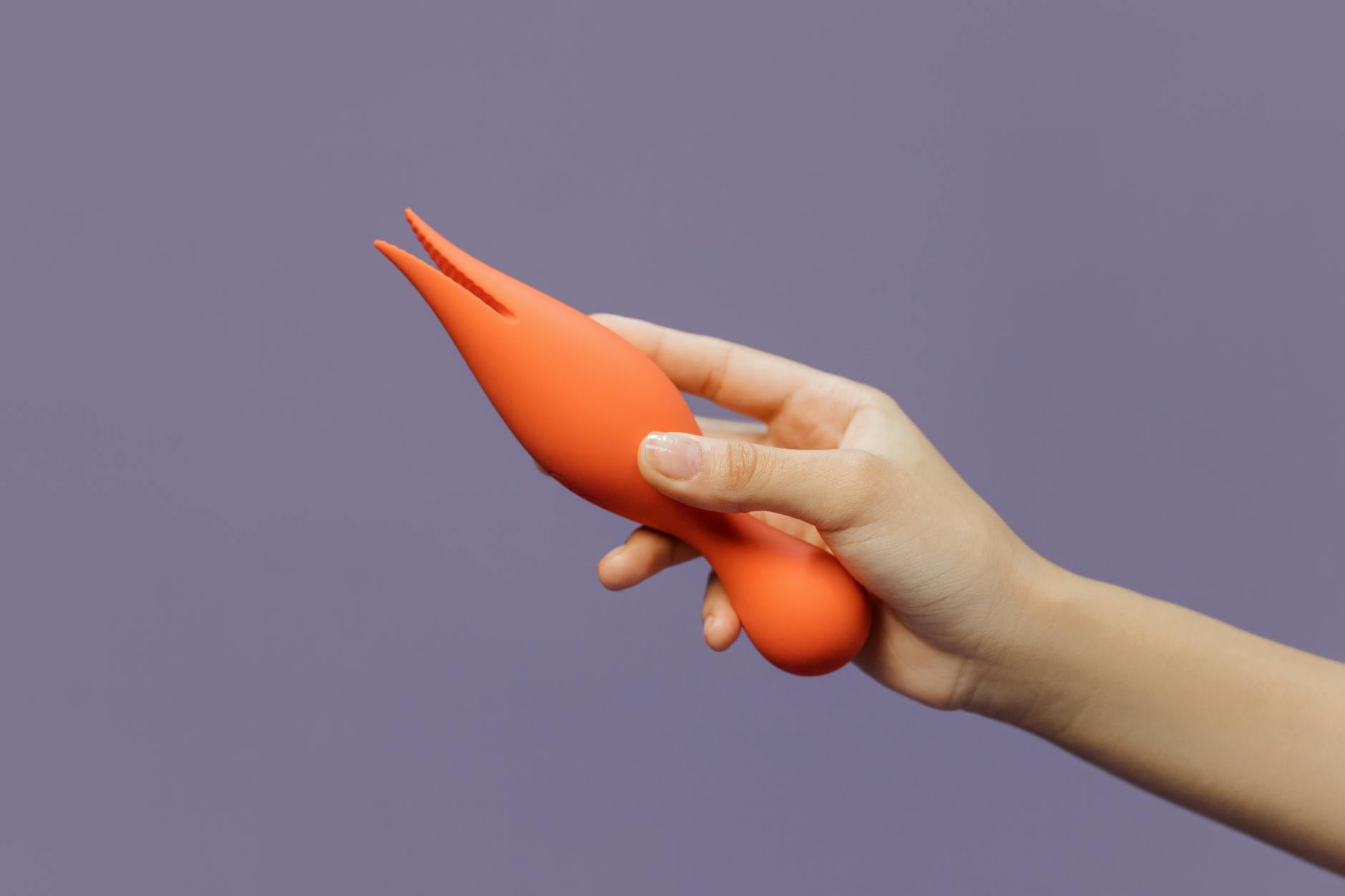
When you pick up a lemon clitoral vibrator like the Lem for the first time post-breakup, start on the lowest setting. Not because you're broken. Because you're resetting. Your nervous system has been in sympathetic overdrive (fight, flight, freeze). It needs parasympathetic activation (rest, digest, heal).
Set aside 15 to 20 minutes with zero pressure to finish. The goal isn't an orgasm. The goal is reconnection. Touch yourself outside the vibrator first. Notice what your skin feels like. Where you want to be touched. This might feel awkward. That's normal. Your body has been in survival mode.
Then introduce the vibrator on pattern 1 or 2. Lemon sexual toys use gentle suction stimulation, which means you're not dealing with aggressive vibration that can feel invasive when your nervous system is already tight. The sensation is indirect, which matters when your body is learning to trust pleasure again.
Second phase: exploring without the old blueprint
In a partnership, pleasure often follows a script. Foreplay leads to one kind of touch, which leads to another. If that script involved someone else, it's now haunted by absence.
Solo pleasure is your chance to write a different script. Maybe you discover that you like longer build-ups than your ex did. Maybe you prefer a different pattern, a different rhythm, stimulation on areas you never explored together. This is data. This is freedom.
Spend a few weeks experimenting with different patterns on your lemon adult toy. Notice what feels good without judgment. There's no performance here. No one watching. No external goal. Some nights you might stop mid-way and do something else entirely. That's okay. You're learning.
Many people find that post-breakup, their pleasure map shifts. What used to feel essential might feel irrelevant now. What never worked before suddenly clicks. This isn't damage. It's evolution.
Third phase: presence without narrative
After a few weeks of exploration, you might notice your mind trying to pull you back into the old relationship. Breakup sex thoughts. Fantasies about reconciliation. Anger. Grief. All of this is normal, and it will probably show up during solo pleasure too.
When it does, don't fight it. Feel it. But also practice returning to the physical sensation. The vibrator in your hand. The feeling on your skin. The rhythm you chose. This is a form of meditation. You're practicing staying present with your own body instead of disappearing into your head.
This phase is where healing actually deepens. You're reclaiming the distinction between partnered intimacy and solo pleasure. They're different. They serve different needs. Neither cancels out the other.
Using lemon vibrators during this phase helps because the sensation is consistent and entirely within your control. You're in charge of pressure, rhythm, speed, and duration. This agency is essential when someone else's unpredictability has recently shattered your sense of safety.
When you're ready to layer in fantasy
Eventually, your body settles. The acute pain softens. Your nervous system stops scanning for danger. At that point, you might want to bring fantasy or imagination into solo pleasure again.
This is different than fantasy during the relationship. Now you get to choose what turns you on without negotiating, performing, or worrying about judgment. You might discover desires you never voiced. You might surprise yourself.
A clitoral vibrator like the Lem gives you consistency while your mind wanders. You're not managing friction or pressure. The suction is steady, allowing your attention to move fully into imagination.
Practical logistics
Four things that help in the practical sense:
Space matters. Find somewhere you feel safe and uninterrupted. Alone time isn't optional here. This is essential.
Timing. Solo pleasure after a breakup often works best in the morning or afternoon rather than late night. Nighttime can trigger loneliness and rumination. Daylight is grounding.
Lube. Water-based lubricant helps even though lemon clitoral vibrators use suction. A little extra glide makes the experience feel less clinical and more sensual. It's a small gesture of kindness toward yourself.
Consistency. Aim for once or twice a week rather than daily. Frequent solo pleasure is fine long-term, but early recovery benefits from a rhythm you can build trust around. Your body needs to know this is a reliable, non-desperate practice.
The grief that shows up
Sometimes you'll reach for your vibrator and end up crying instead. This is not a failure. This is your nervous system processing something it couldn't process with words.
The body remembers. It remembers touch. It remembers being held. Loss shows up in the body before the brain catches up. If you start using lemon sexual toys and feel sad, angry, or empty, pause. Feel it. There's no timeline for this.
Healing isn't linear. You might have weeks of confident, joyful solo pleasure, then hit a rough night where you're flooded with missing someone. This doesn't undo the progress. It's part of it.
Readiness for partnered intimacy
At some point, you might feel ready to share your body with someone else again. How do you know? Usually it's when solo pleasure feels joyful and not desperate. When you can access pleasure without your ex appearing in your head. When the idea of someone else's body doesn't trigger anxiety.
If you do choose to be intimate with someone new, here's what your solo exploration teaches you: you know your own body. You know what works. You know your rhythm. This knowledge makes partnered intimacy better because you're not starting from zero. You're not completely dependent on someone else to know you're built for pleasure.
In fact, many people find that the intimacy that comes after genuine solo healing is the deepest they've experienced. Because it's not desperate. It's generous. You're giving from a full cup instead of trying to fill an empty one.
FAQs: Rebuilding with lemon vibrators
How long should I wait after a breakup before using a vibrator?
There's no magic number. Some people need weeks. Some need a month or two. Pay attention to whether you're reaching for pleasure or avoiding pain. If you're numb and using it as distraction, maybe wait. If you feel a genuine spark of interest in reconnecting with your body, that's the green light. Trust that.
Is it normal to feel guilty about pleasure after a breakup?
Very normal. Many people internalize the message that enjoying yourself while someone else is hurting is selfish. You might also feel like you're betraying the relationship by discovering new things your ex never knew turned you on. These feelings are understandable and also untrue. Your pleasure is not a referendum on your ex or the relationship. It's you reclaiming something that belongs to you.
Can I use lemon clitoral vibrators if I'm still in love with my ex?
Absolutely. Being heartbroken doesn't disqualify you from solo pleasure. In fact, solo pleasure while you're grieving can be deeply grounding. It reminds your nervous system that you're alive, that your body is capable of feeling good, that there's joy available even when your heart is broken. These aren't mutually exclusive.
What if I compare myself to the intimacy I had with my partner?
You will, at least at first. Solo pleasure feels different because it is different. It's usually quieter, longer, less intense, more internally focused. That doesn't make it inferior. It's just a different experience serving a different need. The comparison usually fades over time as you get used to the new rhythm.
Should I tell a future partner that I've been using vibrators while healing?
That's entirely your choice and depends on the relationship. Some couples love talking about solo practices. Some prefer not to. What matters is that you stop feeling ashamed of your own recovery. You don't owe anyone an apology for healing on your own terms.
How do I know if I'm actually ready to date again?
You're ready when you can access pleasure without it being tethered to another person. When you can go a week without thinking about your ex. When the idea of someone new feels exciting rather than terrifying. When you can imagine a partner enhancing your life rather than filling a void. Solo exploration helps you get here. It's not a detour from moving forward. It is moving forward.
The bigger picture
Using lemon vibrators after a breakup isn't about jumping straight to happiness. It's about rebuilding the fundamental belief that your body is a source of safety and joy. That belief takes time. It takes gentleness. It takes showing up for yourself with the same patience and kindness you'd offer a friend going through the same thing.
The truth is, the most important relationship you're going to rebuild isn't with a future partner. It's with yourself. And that work begins exactly where you are right now, with your own hands and a little help from tools designed with care.
When you're ready to explore further or have questions about your healing journey, reach out. We're here to support you.