Let's name what's actually happening
Your partner wants you to come faster. You know this. They've said it outright, or you've felt it in the shift of their breathing, the way they check the time, the sigh when sex stretches past what they consider reasonable. And now you're in your head about it, which means you're definitely not coming, faster or otherwise.
This is not a your problem. This is a mismatch problem. And it's one you can actually fix.
Why the pressure lands differently on you
Here's what research tells us: people with vulvas take longer to orgasm than people with penises. On average, we're talking 20-45 minutes solo, sometimes longer with a partner. That's not a flaw. It's neurological. The clitoral complex needs sustained stimulation at the right intensity, and the brain needs to be in the right state. You cannot rush neurology.
But pressure does something specific to your nervous system. It activates your threat-detection machinery. Your amygdala lights up. Blood diverts away from your genitals and toward your muscles. Orgasm becomes not more likely but less. Cortisol rises. The very thing your partner wants becomes impossible.
Most people understand this intellectually. Many still can't stop doing it anyway. That's not malice. That's habituation. They've watched porn. They've internalized a speed expectation. They're anxious about their own performance. None of that excuses the pressure, but it helps you understand where to intervene.
The honest thing lemon vibrators actually do
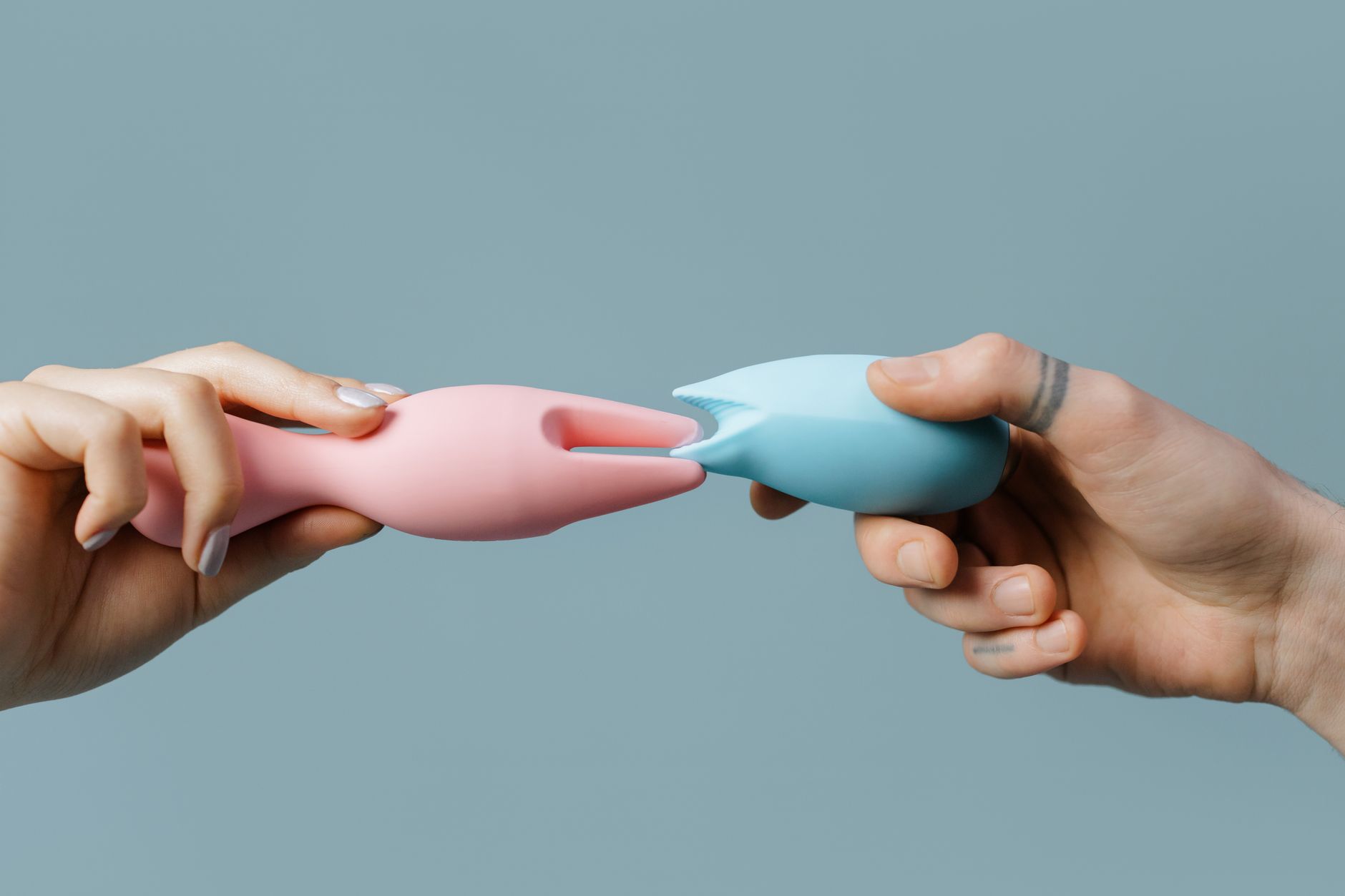
Lemon sexual toys, especially the air-suction style clitoral vibrators like the Lem by My Lemon Suckers, don't make you come faster in any magical sense. What they do is create a focused, intense sensation that can reduce the time your brain needs to build arousal. They shortcut the warm-up phase.
That sounds useful. It is. But it only works if you're using them for yourself, not as a performance tool for your partner.
If you're thinking "maybe if I use a vibrator he'll stop complaining," the vibrator becomes associated with pressure, not pleasure. Your body learns that. The next time you reach for it, some part of you tenses. And then you're back where you started.
The real work is separating two things: your actual timeline, and your partner's comfort with your timeline. Those are different conversations.
Building your own rhythm first
Before you bring a lemon vibrator into a partnered situation, you need to know your actual body. That means solo time. Real solo time, without performance anxiety.
Start with the vibrator alone. No timeline. No goal other than sensation. Set 45 minutes aside if you can, but even 20 minutes matters. Use patterns 2 or 3 on a lemon clitoral vibrator. Let your attention float. When your mind pulls toward your partner's expectations, gently bring it back to what you're actually feeling.
Notice: how long does arousal genuinely take for you? Where do you like pressure? Do you need different patterns at different points? What mental state helps? Some people need quiet. Others need music. Some need to think about something specific. None of this is negotiable or wrong.
After a few solo sessions, you'll have information. You know that you typically need 25 minutes with a vibrator, or that you need to start gentle and build intensity, or that you come best in the afternoon. This becomes your baseline. This is the truth of your body.
How to talk about it without shame
Once you know your rhythm, your next conversation with your partner is the hardest one. Not because you're doing anything wrong, but because you're asking them to sit with discomfort.
Honestly, the opener matters. Avoid "you're putting pressure on me," which lands as accusation. Instead: "I've been paying attention to my body, and I want to share something. I actually need more time than I thought. Not because something's wrong, but because that's how my neurology works."
Then give specifics. "When I feel rushed, I tense up and can't come at all. When I have space to focus, I can get there. I want us to both enjoy this. I'm going to use a vibrator because it helps me get there faster, but I still might need 15 or 20 minutes of that."
His discomfort is not your problem to solve. Your job is to be clear about what works for your body. His job is to decide if he's willing to work with that.
Many partners, once they understand that pressure actually prevents orgasm, shift immediately. Their goal usually is mutual pleasure. They just didn't have the information. Some partners, unfortunately, stay invested in speed over your actual experience. That's a different conversation, and possibly a therapist's job.
Where lemon clitoral vibrators fit in
Once you've set a boundary, a vibrator becomes useful. Here's how to integrate it:
During partnered sex: Ask your partner to slow down or hold still while you use the vibrator. This removes the "I have to perform on your timeline" pressure. You're focused on building your own sensation. Many partners find this visually engaging, which helps their own arousal.
Before partnered sex: Some people orgasm once with a vibrator solo, then have partnered sex. The pressure is off. You've had pleasure. Now you can be present without the "I need to come" urgency.
As the main event: Your partner can use a vibrator on you while you focus on them, or while you focus on other sensations. This distributes the "work" of stimulation more fairly.
The key: use the vibrator because it feels good, not because you're trying to speed up for someone else. The moment it becomes a performance tool, it stops working.
What to do if they still pressure you
If you've been clear about your body's reality and your partner keeps signaling impatience, you're dealing with a respect issue, not a pleasure issue. A vibrator won't fix that.
This might be worth bringing to a couples therapist. Not because sex itself is broken, but because your partner isn't hearing you when you name what you need. That's a communication pattern worth examining with professional help. You deserve a partner who wants your pleasure, not just a faster version of sex.
The confidence piece
Here's what I see happen most often: once someone uses a lemon vibrator on their own terms, pleasure shifts. You're not waiting for someone else to give you an orgasm anymore. You're generating it. You're confident in your body. You know what works.
That confidence changes everything. You're less likely to rush yourself. You're less susceptible to pressure. And partners respond to that. They feel the difference. Confidence is genuinely attractive.
People also ask
What if using a vibrator during partnered sex makes my partner feel inadequate?
This is worth talking about directly. Most insecurity about vibrators comes from the idea that the vibrator is "better" and the partner is therefore unnecessary. In reality, the vibrator is a tool, like a hand. Your partner brings presence, connection, and their own stimulation. Reframe it: you're using a vibrator the same way you might use your hands to explore your own body during sex with them. It's part of mutual pleasure, not a replacement.
How long should I actually wait before pushing back on pressure from my partner?
If it's happening every time, push back now. If it's occasional comments, you have a bit more room to educate gently. But "occasional" often becomes habitual fast. The sooner you name it, the sooner your partner knows it matters. You're not being difficult. You're protecting your pleasure.
Can a lemon vibrator actually help me come faster?
Yes, in the sense that the intense, focused stimulation requires less warm-up time than manual stimulation alone. Many people find they need 10-15 minutes with a vibrator versus 25-30 minutes otherwise. But this only works if you're relaxed. The moment pressure enters, that advantage disappears.
What if I've never used a vibrator and I'm nervous about starting?
Start alone. Set a low pattern. The Lem by My Lemon Suckers has adjustable intensity, which helps. Think of it as learning what your body likes, not performing for anyone. Once you know your own rhythm solo, bringing a partner in feels less fraught.
Is it normal to take longer to come with a partner than alone?
Completely normal. Your brain works differently with another person present. There's stimulation, yes, but also awareness, vulnerability, and often some low-level performance anxiety. Solo, your brain can go fully inward. With a partner, it's divided. This is not a you problem.
How do I know if my partner's pressure is just impatience or if it's something deeper?
Listen to what they say when sex isn't happening. Do they respect your boundaries in other areas? Do they listen when you express needs? Do they prioritize your pleasure outside the bedroom? If the answer is yes to those and they're only impatient during sex, it's likely just a misalignment of expectations that education can help. If they dismiss your needs across the board, the pressure is part of a bigger pattern worth examining with a therapist.
The real shift
Your timeline is not a problem. Your partner's discomfort with your timeline is information. Once you know which one you're actually dealing with, you can act.
A lemon vibrator is a tool for your pleasure, not a device for managing someone else's impatience. When you use it that way, it becomes powerful. You'll feel the difference immediately.
Ready to explore what actually works for your body? Reach out to us if you have questions about which My Lemon Suckers product might fit your needs, or check out our buying guide for more detailed comparisons.
This essay draws on principles from Gottman Method couples therapy and somatic sex education. If pressure in your relationship extends beyond the bedroom, working with a couples therapist can help you both build a foundation of genuine listening and respect.