
Let's name what's happening
You want sex more often than your partner does. Maybe you're initiating three times a week and they're interested once. Maybe it's the other way around some weeks. Either way, you're carrying the emotional labor of always being the one to ask, and that weight is real. It erodes something. You start wondering if they're attracted to you. They start feeling pressured. Neither of those stories is true, but that's where this mismatch lives.
Here's the thing nobody tells you: this is one of the most common friction points in long-term relationships, and it has almost nothing to do with whether you actually love each other.
Why desire mismatch happens (it's not what you think)
People assume libido differences come down to attraction or chemistry. Wrong. In my practice, I see libido mismatch most often driven by three things that have nothing to do with how much someone wants you.
First is baseline desire temperature. Some people are wired with naturally higher responsive desire. They think about sex when they're already intimate. Others have spontaneous desire. They're thinking about it while doing dishes. Neither is better. They're just different set points.
Second is stress, life stage, and bandwidth. The parent managing school pickups, the one working two jobs, the person carrying anxiety about aging parents. Their nervous system is occupied. It's not rejection. It's depletion.
Third is the pressure itself. Once you start being the consistent initiator, your partner often feels like they've failed if they don't match your frequency. So they initiate even less, because the stakes feel too high. It becomes a cycle.
None of this requires couples therapy right now. It requires a different conversation and a different approach to your own pleasure.
Why solo exploration matters in a coupled relationship
Here's what I tell every person navigating this: taking your pleasure into your own hands is not a workaround for your partner's lower desire. It's actually one of the healthiest things you can do for the relationship.
When you're the consistent initiator, you start to unconsciously position your partner as the gatekeeper of your pleasure. You need them to agree. You need their availability. You start resenting them for having a different body and nervous system than yours. A lemon clitoral vibrator becomes something else entirely. It becomes a way to say, "My pleasure is not contingent on your availability right now."
This is radical in long-term relationships. It separates your sexuality from the negotiation. You're not asking them for anything. You're taking what you need. And weirdly, that often makes the partnered sex that does happen feel less pressured and more connected for both of you.
Getting started with solo play when you're used to partnered sex
If you've been mostly focused on partnered sex and initiating with your partner, touching yourself might feel awkward or even lonely at first. That's normal. You're rewiring a habit.
Start with no expectation of outcome. The goal is not orgasm. The goal is to remember your own body and what you like. With a lemon sucker like the Lem, you can explore different patterns without the same fatigue that comes from manual stimulation.
Set actual time for this. Not "when I have a moment." Schedule it like an appointment. Twenty minutes when you're not exhausted. The brain tracks scheduled pleasure as self-care, not as a guilty secret.
Start on a lower pattern. The Lem vibrator has intensity levels specifically because different bodies and different days need different approaches. If you've never used a lemon sexual toy before, patterns 1 through 3 are your exploration zone.
The conversation to have with your partner
Do not do this secretly and hope they never find out. That's a privacy boundary issue, and it almost always backfires.
Instead, pick a time that's not during sex, not during conflict, and not when either of you is rushed. Say something like: "I've been thinking about how our desire rhythm is different, and I don't want that difference to mean you feel pressured or I feel rejected. I'm going to explore more on my own. This isn't about you not being enough. It's about me taking responsibility for my own pleasure so our time together can feel easier."
Some partners will feel relieved. Some will feel initially insecure. Either way, you're naming the real thing instead of letting it fester.
If they ask about it later, be honest and matter-of-fact. "I used the vibrator for twenty minutes and it felt good." Not apologetic. Not detailed unless they ask. Just present.
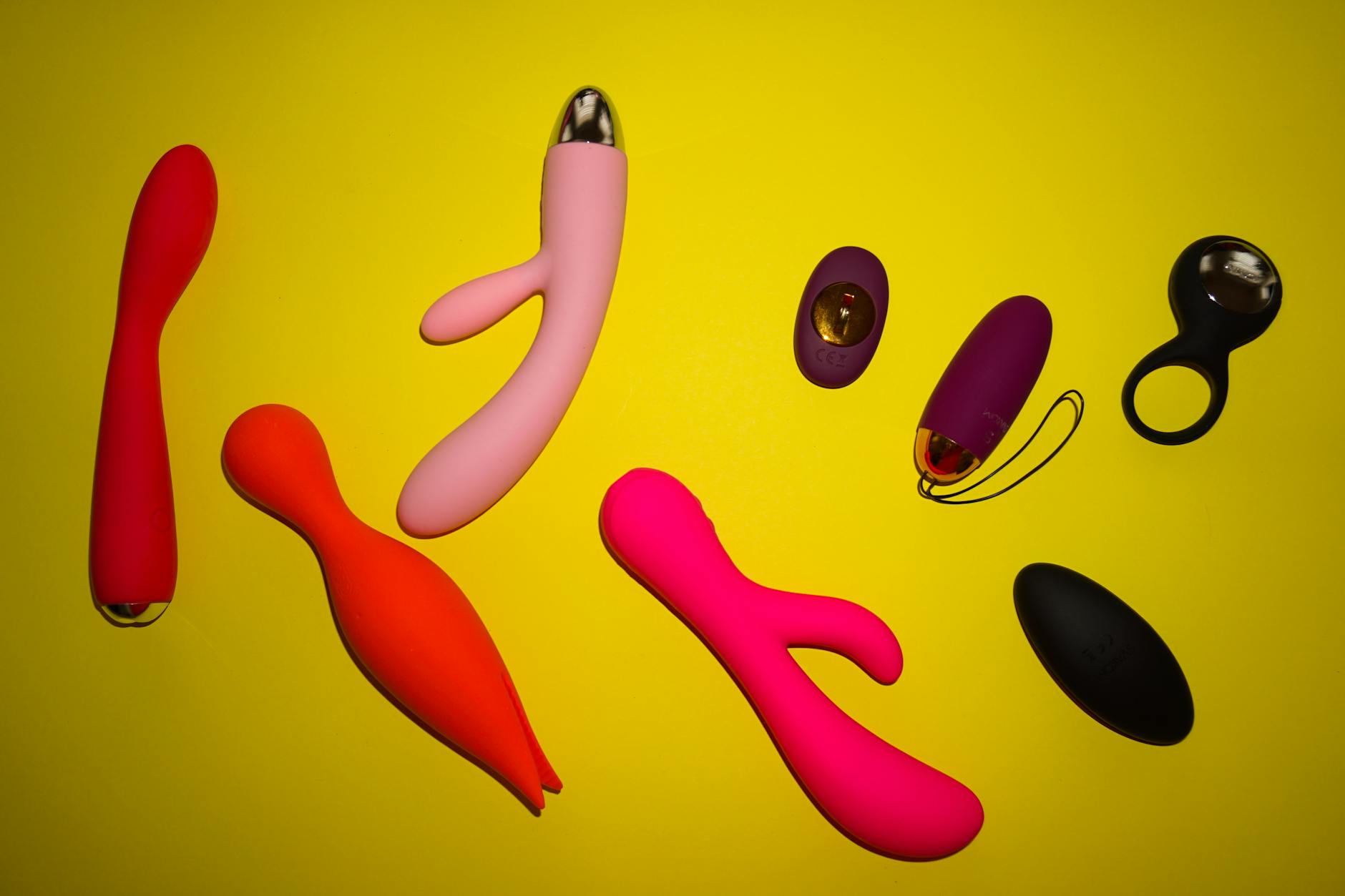
Photo by DRT.fm on Pexels
Why lemon vibrators specifically work better for this dynamic
A lemon clitoral vibrator is different from a traditional vibrator in a way that matters here. The suction and pulse technology means you're getting consistent stimulation without the friction fatigue. You can build to a more intense sensation without physical exhaustion.
That matters because when you're in the headspace of mismatched desire, your body carries tension. The low hum of resentment, the subtle pressure of waiting. A toy that requires less physical effort from you means you can actually relax into sensation instead of working for it.
Many of my clients report that they feel more genuinely aroused when they're not managing their own hand fatigue. The lemon clitoral vibrator handles the repetition. You handle the pleasure. That's a real difference.
Integrating solo play into your partnered dynamic
Eventually, if you want, this can become something you do together. Not as a performance or a solution to his lower desire, but as part of your partnered sex. You use your lemon sucker while they're beside you, and they touch you elsewhere, or they watch, or they use their own toy.
But that's not the point of this first phase. The point right now is rebuilding your relationship to your own body and your own pleasure. That's the foundation everything else rests on.
When your partner starts noticing that you're calmer, less resentful, more genuinely interested in the sex you do have together, something shifts. You're no longer performing desire. You're actually feeling it. And that changes the entire dynamic.
You might find that your partner initiates more. You might find that you want sex slightly less often because it's no longer attached to rejection. Or you might find that you're just okay with the difference because you're not waiting on them to meet a need that you can meet yourself.
A note on the resentment piece
If you're deep in resentment right now, this takes time. A lemon vibrator is not a magic fix for a partner who never touches you or a relationship where emotional intimacy has gone cold. That's a different conversation, possibly with a couples therapist.
But if you're in a good relationship where you just have different libidos, this reframing works. You're not fixing your partner. You're fixing your dependence on them to feel okay. And that's the thing that actually builds resilience in long-term partnership.
FAQ: Questions people actually ask
Will using a vibrator make me less interested in sex with my partner?
No. Actually the opposite. When you're not carrying resentment about unmet desire, partnered sex usually feels better. You're more present. You're not keeping score.
Should I hide this from my partner?
Not ideally. A simple conversation about taking care of your own pleasure removes the secrecy and the shame. Most partners actually feel relieved they're not carrying the full weight of your sexual needs.
How often should I explore solo if my partner only wants sex once a week?
As often as feels good. Once or twice a week, whenever you want. This isn't about matching frequencies. It's about you having a separate avenue for pleasure that doesn't depend on their availability.
Does this mean our sex life is broken?
No. Desire differences are normal. What matters is how you handle them. Some couples have mismatched libidos for decades and feel deeply connected. Others let it become a source of ongoing resentment. The difference is usually communication and this exact work you're doing now.
Can I use a lemon clitoral vibrator with my partner during partnered sex?
Absolutely. Some partners love incorporating it. Others prefer not. That's a conversation for later, after you've become comfortable with it alone. There's no rush.
What if my partner feels threatened by me having my own pleasure practice?
That's important information. If your partner feels threatened by you meeting your own needs, that's pointing to an insecurity that might benefit from couples work. You're not responsible for managing their insecurity, but understanding where it comes from can help you both navigate it.
Your desire matters. Your pleasure matters. Your need to be touched and aroused and satisfied is not a flaw in your partner. It's you being human. The best thing you can do for your relationship right now is to stop waiting for them to meet all of it and start meeting some of it yourself. That's not settling. That's actually what makes long-term partnership work.