
Let's start with the real thing
You're pregnant and you want to have an orgasm. This is not a problem. This is normal. And yes, it's safe for most pregnancies, most of the time. But because pregnancy comes with a thousand new rules and restrictions, pleasure often gets lumped into the "better ask first" pile. Which is fair. Except here's what nobody tells you clearly: sex and orgasm during early pregnancy are not just safe, they're often genuinely helpful for your mental health and relationship.
The trick is knowing how to do it without the anxiety spiral.
What actually changes about pleasure when you're pregnant
Your body floods with estrogen and progesterone. This makes your vulva more sensitive and your arousal potentially faster. Your clitoris gets more engorged, which sounds great, except sometimes it also means regular vibrators feel too intense too quickly. Your ligaments soften (thanks, relaxin), which changes where you feel sensation and what feels good.
Blood flow increases to your pelvis. Orgasms might feel stronger, or they might feel different in ways you can't quite name. Some people report the most intense orgasms of their lives during early pregnancy. Others find arousal completely disappears. Both are normal. Neither predicts what happens in the second or third trimester.
Here's what doesn't change: your right to pleasure, your body's capacity for it, or the fact that clitoral stimulation is one of the safest ways to have an orgasm when you're pregnant.
Why lemon vibrators and clitoral suction toys work well in early pregnancy
Air-suction technology, like you get with a lemon vibrator or other clitoral suction devices, has a major advantage during pregnancy. It stimulates without deep penetration or aggressive friction. When your tissues are already more sensitive, when your pelvic floor is already working overtime, when you're not sure what your body wants—a gentler, more focused approach makes sense.
The lemon sucker design specifically gives you precision and control. You can start at the gentlest setting and feel exactly what's happening. You're not guessing whether something is too much. You can adjust in real time. That control is calming when everything else about pregnancy feels out of your hands.
Most importantly, clitoral vibrators and suction toys avoid internal stimulation entirely. If your provider has said penetration feels risky for your specific pregnancy, or if you just want to be extra cautious, focusing exclusively on external clitoral pleasure is straightforward and effective.
The safety conversation with your provider
Here's the conversation you're actually having with your OB or midwife: "I want to know what's safe." Not "I want permission to have fun." The clinical reality is that orgasm during pregnancy has not been shown to cause miscarriage in low-risk pregnancies. Some research suggests it's actually fine. But the studies are small and the variation between pregnancies is enormous.
Your provider needs to know your specific risk factors: bleeding, placental issues, cervical incompetence, history of miscarriage, or any complications flagged at your first ultrasound. If you have none of those, most providers will say external stimulation and orgasm are fine. If you do, that's when the boundaries get real.
The conversation is quick if you frame it clinically. "Is clitoral stimulation and orgasm safe in my pregnancy?" beats "Is it okay if I use a vibrator?" by a mile. Medical language gets straight answers.
How to use lemon vibrators safely during early pregnancy
Start lower than you think you need to. Your sensitivity has already spiked. What felt medium before now feels intense. Spend your first time exploring the lowest settings on your lemon clitoral vibrator to learn what your pregnant body is actually responding to.
Use water-based lubricant, same as always. Early pregnancy increases vaginal discharge naturally, but adding lube anyway reduces friction and makes everything gentler. It's not a sign something is wrong. It's smart planning.
Keep your partner informed if you have one. Not because you need permission, but because anticipating sensation together means better communication. "I'm going to start lower and go slower than usual" takes thirty seconds to say and eliminates the anxiety of unexpected reactions.
Stop if anything feels wrong. Cramping is not the same as pleasure. Sharp pain is not the same as intensity. Dizziness, spotting, or pressure in your pelvic floor means stop immediately and check in with your provider. Knowing the difference between "this is intense" and "this is actually uncomfortable" is essential.
What your partner should know
If you're partnered and want to stay sexual during early pregnancy, the dynamic shifts in ways people rarely talk about. Your partner might be nervous about hurting the pregnancy. They might feel awkward about your changing body. They might pull back entirely because they're "being protective," which sounds good until it means you've gone from regular sex to nothing.
This is where toys become relationship tools. A lemon vibrator or clitoral sucker means your partner can still participate. They can hold it, control the intensity, watch your response. They stay involved without the pressure of penetrative sex or the anxiety of "am I doing this right?" It keeps the nervous system of both people calmer.
The second thing: tell your partner that you need this. Not guilt-trip them, just be clear. "My body is doing something massive and my brain needs the chemical release of pleasure to handle it." That's not asking too much. That's asking for what keeps you sane.
Managing the weird head stuff
Plenty of pregnant people get into their heads about their own pleasure. The story goes: "I'm creating a baby, so focusing on my own physical pleasure feels selfish." Or: "What if pleasure hurts the baby?" Or: "My body isn't mine right now, so why would I want to use it for fun?" These are all understandable. They're also all worth examining.
Your pleasure is not in competition with your pregnancy. Oxytocin from orgasm actually supports your body and your mental health during this wild time. The chemicals flooding your system during an orgasm are not harmful to a developing embryo. And your body is yours, even when you're housing another human. Using it for pleasure is not selfish. It's self-preservation.
The head stuff often gets easier if you separate pleasure from performance. You're not trying to come for your partner or to prove your pregnancy doesn't change you. You're using a tool that helps your body feel good when everything feels strange. That's it.
When to pause pleasure entirely
If your provider has flagged any risk, check in before using lemon vibrators or any sexual toy. If you're bleeding, even lightly, pause until your provider says it's fine. If you have a history of miscarriage, the anxiety might genuinely not be worth it. Some pregnancies are high-risk enough that the safest choice is to step back entirely. That's not failure. That's pragmatism.
If you're experiencing pelvic pain, pelvic floor dysfunction, or pressure, vibrators might make it worse. Your pelvic floor is already working harder during pregnancy. Adding intense stimulation can tip it into crisis. A pelvic floor physical therapist can tell you exactly what your specific body needs right now.
If your anxiety about safety is louder than your actual desire, pause. You don't need to perform pleasure while you're managing fear. Come back to it when you're ready.
The bigger picture
Early pregnancy is a specific window where your body is doing something extraordinary, your anxiety is likely higher than normal, and your need for comfort and connection is real. Using a clitoral vibrator like those from My Lemon Suckers isn't indulgent. It's a straightforward way to stay connected to your own pleasure when everything feels uncertain. Whether you use a lemon sucker designed specifically for precision and control, or any other body-safe toy, the thing that matters most is that you're taking care of yourself.
Your provider has your medical safety covered. You covering your own pleasure and emotional well-being is just as important. They're not separate. They're the same thing.
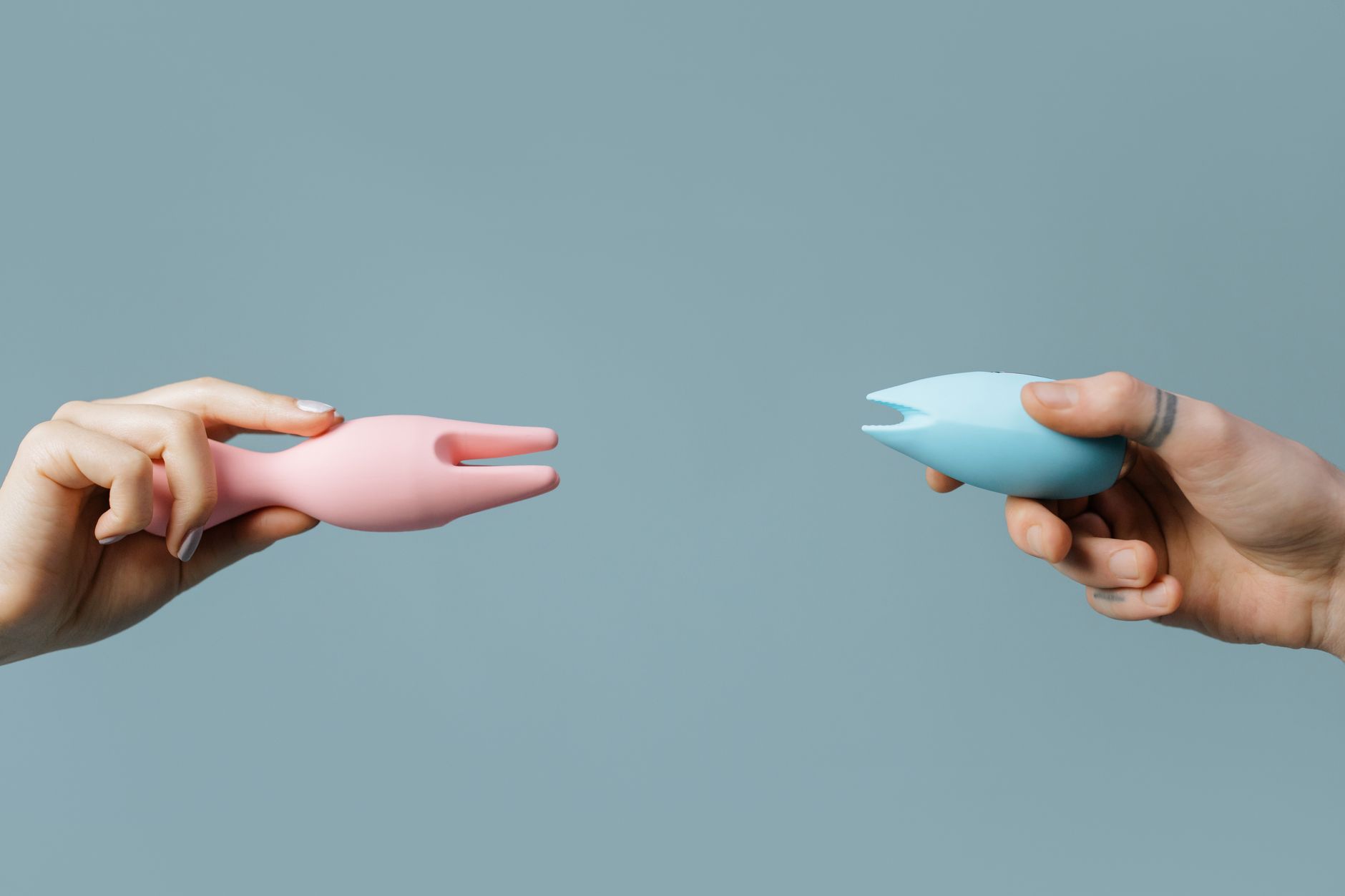
Photo by cottonbro studio on Pexels
People also ask
Is it safe to use a vibrator when you're trying to get pregnant?
Yes, absolutely. Using a lemon vibrator or any clitoral toy while trying to conceive has no impact on fertility. Some people find that clitoral orgasms right around ovulation feel slightly different due to the hormonal shift, but the orgasm itself doesn't interfere with conception. If anything, the stress relief from pleasure might help your overall fertility picture. The only thing worth checking: if you're using toys during sex with a partner, confirm that you're still having penis-in-vagina contact during the fertile window, since that's what creates pregnancy.
Can orgasms cause miscarriage in early pregnancy?
Research suggests no, not in low-risk pregnancies. Studies on this are limited and small, but what exists doesn't show a link between orgasm and miscarriage. The concern often comes from the fact that orgasms involve uterine contractions, but those contractions are different from labor contractions and don't trigger miscarriage in healthy pregnancies. That said, if your specific pregnancy has complications, your provider might recommend caution. Ask them directly.
What if I'm experiencing spotting after using a vibrator during pregnancy?
Stop using the vibrator immediately and contact your provider. Spotting could be nothing, or it could be a sign to pause sexual activity. Your provider needs to know, especially if you've just introduced toy use. They can do a quick check to make sure everything is okay and clear you to continue or recommend you wait.
Do lemon clitoral vibrators feel different during pregnancy?
Yes, very likely. Your tissues are more sensitive, your blood flow has increased, and your nervous system is already more activated. A lemon vibrator setting that felt perfect before pregnancy might now feel intense. Start with the lowest settings and work up slowly. You're learning your pregnant body, not trying to recreate your pre-pregnancy experience. Give yourself permission for it to feel completely different.
Should I tell my OB or midwife that I'm using toys during pregnancy?
It depends on your relationship with your provider and whether any complications exist. If your pregnancy is uncomplicated and your provider is open-minded, mentioning it during a routine visit ("I want to continue being sexually active, including using toys") gets you explicit clearance. If your pregnancy has risk factors, definitely tell them. If your provider is conservative or judgmental, you can frame it as "Is clitoral stimulation safe?" without mentioning toys specifically. You deserve providers who support your whole self, including your sexuality.
Can I use lemon vibrators during the first trimester if I have a history of loss?
This is a conversation for your specific provider. If you've had miscarriages, they might recommend extra caution during the first trimester, or they might say you're safe to proceed. Some providers suggest waiting until after the first trimester ultrasound when the risk drops significantly. Others clear you from day one. The answer depends on your specific history and what your provider knows about your case. Don't assume you have to skip pleasure. Ask first.
The takeaway
Your sexuality doesn't pause when you're pregnant. Your desire might shift, your body will definitely change, and your comfort level with toys might move around. But the capacity for pleasure, the safety of external stimulation, and your right to feel good are all still there. Using a lemon vibrator during early pregnancy is a reasonable, body-safe choice if you want it. Just go in informed, check with your provider if you have any risk factors, and remember that this is temporary. Your body will change again. Your pleasure matters now, and it will matter later too.
If you're navigating intimacy changes during pregnancy, talking to a couples therapist or a provider who specializes in pregnancy and sexuality can help smooth the transition. You don't have to figure this out alone.