Let's talk about numbness nobody wants to discuss
Your clitoris has stopped responding. Touch used to trigger immediate sensation, and now you feel almost nothing. You're not broken. You're not losing your mind. And you're definitely not alone.
Science
When touch feels like nothing. Why suction-based lemon vibrators wake up numb tissue where traditional vibration fails, and what it takes to rebuild sensation from scratch.

Your clitoris has stopped responding. Touch used to trigger immediate sensation, and now you feel almost nothing. You're not broken. You're not losing your mind. And you're definitely not alone.
Clitoral desensitization happens for reasons that have nothing to do with your capacity for pleasure. It's anatomical, neurological, sometimes psychological, and it's reversible. That last part matters because most people assume numbness is permanent.
There are three main culprits.
Nerve compression from prolonged tension. If your pelvic floor muscles stay tight for months or years, they literally compress the nerves that feed sensation to your clitoris. This is especially common after painful sex, trauma, or chronic pelvic tension from stress. The nerve isn't dead. It's just being squeezed.
Desensitization from repetitive single-motion stimulation. If you've relied on the same vibrator, the same pattern, the same pressure for years, your nervous system stops registering it as novel. Your brain literally tunes it out. This is called habituation, and it's not a sign you need a stronger vibrator. It's a sign you need a different type of stimulation.
Hormonal shifts that thin tissue. Estrogen changes during menopause, after stopping hormonal birth control, or during certain health conditions literally shrink the tissue of your clitoris. Less tissue means fewer nerve endings per square millimeter, which can feel like numbness even though your nerves are fine.
This is where it gets interesting. Traditional vibrators rely on repetitive oscillation to stimulate nerves. When your tissue is desensitized or compressed, that oscillation might not reach the deeper nerve clusters that can still respond.
Lemon vibrators like the Lem work differently. They use air-pulse suction technology, which creates a gentle pulling sensation rather than a pushing one. Here's why that matters:
Suction stimulates nerves in a three-dimensional way. Instead of just vibrating the surface of your tissue, the suction literally draws blood into the clitoris and engages a wider network of nerve endings. It's gentler on thin or sensitive tissue, but it's more neurologically active because it's recruiting different nerve pathways.
When you have reduced sensitivity, those different pathways are often your gateway back to sensation. You're not forcing the same numb nerves to work harder. You're recruiting backup systems.
Many of my clients who've been numb for years find that their first real sensation in months comes on the lowest suction setting of a lemon vibrator, not on the highest setting of a traditional toy.
Let's talk about how to actually use a lemon clitoral vibrator when you're starting from numbness.
Start absurdly low. If the Lem has nine intensity levels, you're living on level 1 and 2. Not because you're weak. Because your nervous system has been tuned out, and you're teaching it to pay attention again. Spend entire sessions on the lowest setting. This takes patience that feels silly until sensation suddenly returns.
Change the pattern. If you've been using pulsing rhythms for years, try the steady pulse. If you've been on steady, try the escalating pattern. The novelty alone can wake up dormant nerve pathways. You're not looking for what feels good yet. You're looking for what you can feel.
Layer in sensation variety. Use your lemon vibrator for a few minutes, then switch to manual touch, then back to the toy. Alternating stimulation types helps your nervous system relearn the difference between numb and responsive. It's like doing physical therapy for your nerves.
Use lube even if you feel no sensation. Lubrication helps the suction seal work optimally and protects thin tissue from irritation. You might not feel the difference yet, but your tissue is getting better blood flow either way.
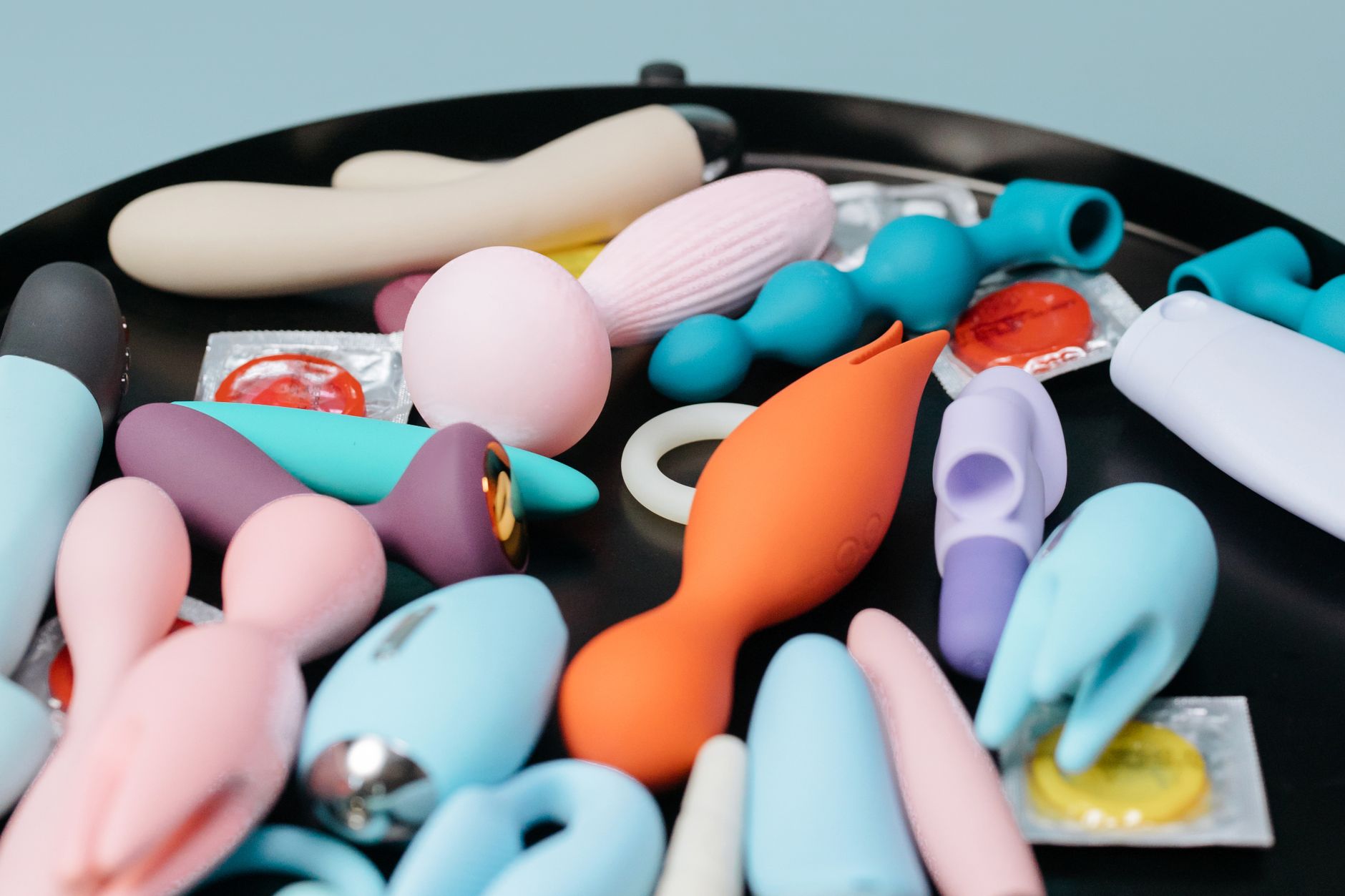
Photo by cottonbro studio on Pexels
When sensation is gone, your nervous system has learned to ignore input from your clitoris. That's not a personal failing. That's your brain doing what brains do. When stimulation isn't producing pleasure or arousal consistently, your nervous system deprioritizes it to free up resources for other things.
Rebuild happens through repetition and novelty. You need consistent, gentle stimulation paired with attention and absence of pain or pressure. Lemon vibrators excel here because they're powerful enough to actually reach dormant nerve clusters, but gentle enough that they rarely cause the irritation that makes your nervous system pull away again.
This process usually takes 3-6 weeks of regular use before you notice real change. Some people feel shift within days. Some take months. There's no wrong timeline.
If your reduced sensitivity arrived suddenly, or if it's accompanied by pain, burning, or visible tissue changes, see a doctor before starting anything new. Some causes of clitoral numbness (like pudendal nerve compression or dermatological conditions) need clinical treatment, not just a new toy.
If numbness came after stopping an antidepressant, the timing matters. SSRI-related sexual side effects sometimes take weeks to resolve after discontinuation. A lemon clitoral vibrator can help during the waiting period, but it's not treating the underlying neurochemistry.
If you have a history of genital trauma or PTSD related to sexuality, rebuilding sensation sometimes requires therapy alongside physical tools. I recommend working with a trauma-informed sex therapist in parallel with rediscovering pleasure through lemon vibrators. The combination is powerful.
Rebuild doesn't feel sexy. It feels clinical and slow and boring, especially if you're used to quick, intense orgasms. That's the mental block most people hit around week two, when they're not yet feeling much but they're committed enough to keep trying.
This is where it helps to separate pleasure from sensation. You're not using your lemon vibrator to come right now. You're using it to teach your body to respond again. That's the only goal. If an orgasm happens, cool. If it doesn't, you still won. You felt something you didn't feel last week.
That's not settling. That's literally how nervous system rewiring works.
Most people report noticing subtle changes within 2-4 weeks of consistent use. Significant restoration takes 6-12 weeks. The timeline depends on what caused the numbness. Nerve compression from tight muscles can resolve faster once you release the tension. Hormonal numbness takes longer because tissue regrowth is slower. Desensitization from overuse sometimes shifts in weeks once you introduce novelty.
Extremely rarely. Permanent clitoral numbness usually requires severe nerve damage from trauma or surgery. Most numbness is reversible with the right approach and patience. Even after prolonged periods of no sensation, your nervous system retains the ability to relearn responsiveness. I've worked with clients who regained sensitivity after years of feeling nothing.
For reduced sensitivity specifically, yes. The suction mechanism stimulates different nerve pathways than traditional vibration does. That difference is crucial when your standard nerve routes have stopped responding. However, if your numbness is caused by trauma or psychological blocks, a toy alone won't fix it. You might need concurrent therapy.
Stop and rest. Pain means something is too irritated or too tense. You might need to spend more time on pelvic floor release work before reintroducing stimulation. A physical therapist specializing in pelvic health can help. Alternatively, your tissue might be thinner than expected, and you need more lubrication or longer warm-up before any toy use.
Yes. Antidepressants (especially SSRIs), antihistamines, blood pressure medications, and hormonal contraceptives can all reduce sensation. If numbness started after a medication change, talk to your prescriber about timing and alternatives. Sometimes a dose adjustment or switching drugs helps. In the meantime, lemon vibrators can help maintain some responsiveness during the adjustment period.
If numbness appeared suddenly, is accompanied by pain, or involved tissue changes, yes. See a gynecologist first to rule out medical causes. If numbness is gradual, painless, and tied to obvious causes (stress, medication, aging), you can safely start with a lemon clitoral vibrator while also scheduling a checkup. There's no harm in doing both.
Sensation rebuild feels impossibly slow until the moment it isn't. One day you're going through the motions on level 1, and the next week you're actually feeling tingle and warmth. That shift surprises people every single time. They expect a gradual fade-in. Instead they get a sudden "oh." That's your nervous system saying it's ready to pay attention again.
Your clitoris hasn't forgotten how to feel. Your nervous system has just learned to tune out. And nervous systems can be retrained. That's the whole point.
If you're stuck and want to talk through what might be driving your numbness, or if you want specific guidance on lemon vibrators for your situation, reach out at the contact link below. That's what I'm here for.