Perimenopause isn't menopause. But it rewires your nervous system anyway.
Let's cut straight to it. Perimenopause is the 5 to 10 years before your period actually stops. During this time, your hormones are cycling erratically. Some months you're flooded with estrogen and progesterone. Other months they crater. Your body never quite knows what's coming, and neither do you.
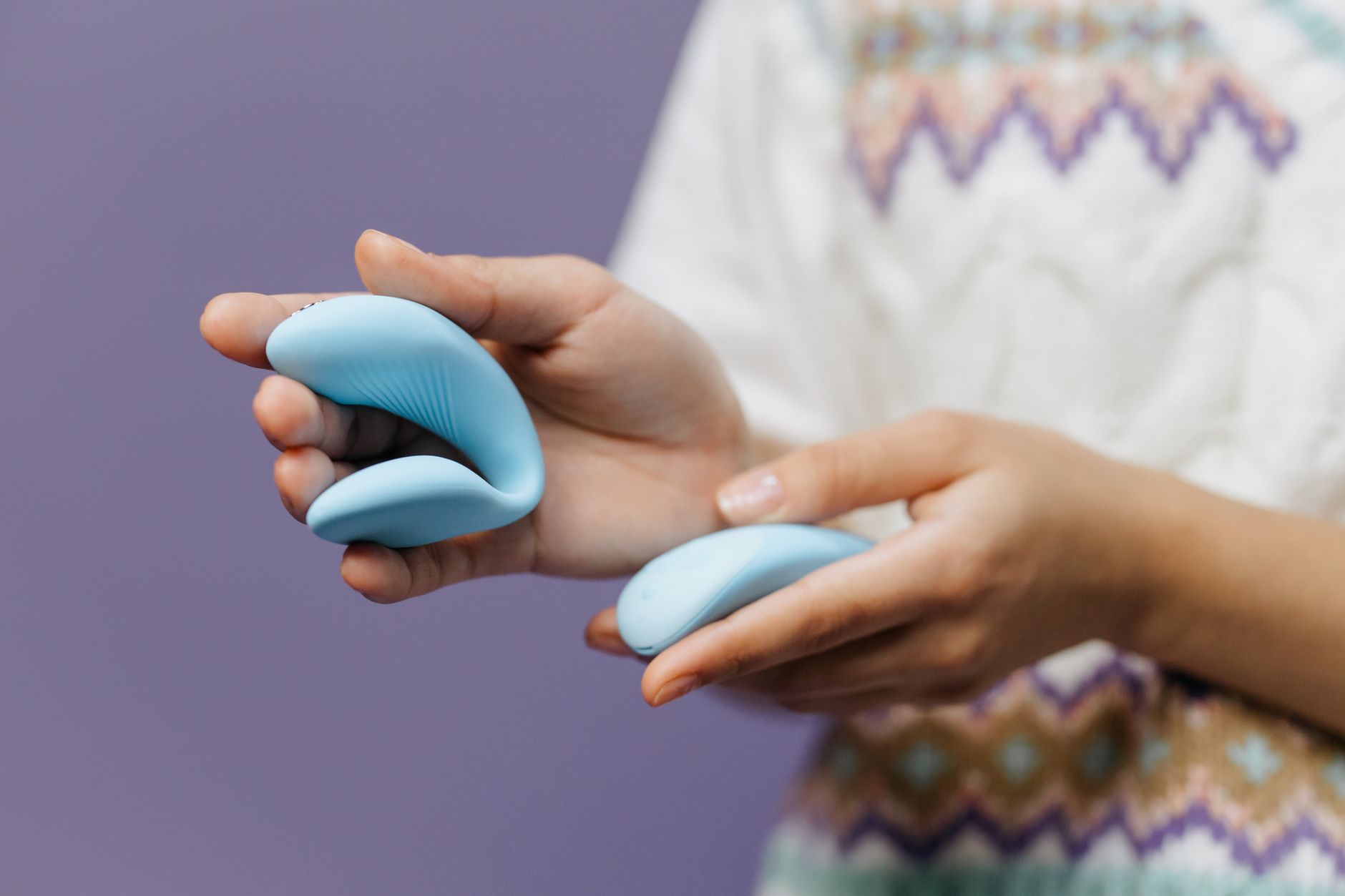
That unpredictability changes arousal, sensation, and orgasm in ways that feel random but are actually very predictable once you understand what's happening. Most people assume their pleasure is broken. It's not. It's shifting. And a lemon clitoral vibrator like the Lem can recalibrate how you experience stimulation during these hormonal transitions.
What perimenopause actually does to sensation
Three things happen in the body during perimenopause that matter for pleasure.
First, estrogen fluctuates wildly. One week you have thick, well-lubricated genital tissue that responds quickly to touch. Two weeks later, the same tissue is thinner, drier, and slower to wake up. This isn't something you imagined. This is measurable biology. The clitoris has estrogen receptors, and when estrogen drops, the tissue becomes more sensitive to pressure but less responsive to sustained friction.
Second, your nervous system gets flooded with adrenaline and cortisol more easily. Stress becomes a bigger turn-off because your body is already in a higher baseline state of arousal from hormonal swings. You might notice you feel wired even when you're trying to relax. This makes it harder to drop into pleasure mode.
Third, blood flow to the genital area becomes less consistent. Arousal used to happen as a reliable chain reaction. Now it's more start-stop. Some days your body floods with sensation the moment you think about sex. Other days it takes 20 minutes just to feel anything.
Why lemon vibrators specifically help during perimenopause
Lemon vibrators, particularly air-suction models like the Lem, work differently than traditional vibrators. Instead of relying on speed and friction to build sensation, they use gentle suction waves that stimulate the entire clitoral cluster. This matters during perimenopause for two reasons.
First, suction doesn't depend on thick, lubricated tissue. A traditional vibrator needs the tissue to be engorged and supple to feel good. When perimenopause makes your tissue thinner or less quickly responsive, friction-based vibrators can feel uncomfortable or numb. Suction works on thinner tissue because it's engaging the nerve endings through pressure changes, not rubbing. You can feel pleasure without needing your body to be in a specific state first.
Second, suction vibrators allow for longer warm-up without fatigue. During perimenopause, arousal genuinely takes longer to build some days. A lemon sucker lets you stay at low intensities for 15 to 20 minutes without your hand cramping or the sensation becoming repetitive and boring. You're building slowly instead of forcing intensity.
The pattern shifts you'll actually notice
When you start using a lemon clitoral vibrator during perimenopause, expect these shifts to feel normal.
Orgasms might feel different. They could be more diffuse instead of concentrated. You might need 10 to 15 minutes instead of 5. Some days the pleasure will peak and then plateau instead of building to a climax. This isn't worse. It's just different. Many people find these longer, less urgent orgasms are actually more satisfying than the quick sharp ones they had before.
Your ideal intensity level will shift week to week. You might love pattern 5 on your lemon vibrator one week and find it uncomfortably intense the next. This is normal. Keep a simple note on your phone. Track what worked, when, and what day of your cycle it was. After three months, you'll see the pattern.
Lubrication becomes a tool, not a symptom. Some weeks you'll want it. Other weeks you won't need it. Water-based lube is your friend not because something is wrong, but because it extends comfort during weeks when natural lubrication is lower. It's a choice, not a fix.
Building a perimenopause pleasure ritual
Here's what I recommend to clients navigating this phase.
Set a weekly check-in with yourself. Not clinical. Just before bed one night a week, ask yourself: What did my body want this week? Was there more friction, more time, more foreplay? Did suction work better than anything else? Did my vibrator settings feel right or did I keep changing them? This isn't about figuring out what's "wrong." It's about gathering data on your own shifting patterns.
Give yourself permission to warm up differently. If arousal is slower some weeks, start with 5 to 10 minutes of foreplay before you touch your vibrator. Let your body remember what pleasure feels like. Your nervous system is more reactive than it used to be, so warm-up is actual priming, not foreplay.
Experiment with timing. Some people find their pleasure peaks are more consistent if they engage in the afternoon instead of late at night. Others find that having sex or using a vibrator earlier in their cycle (when estrogen is higher) feels more reliably satisfying. There's no rule. You're finding your new rhythm.
If you have a partner, talk about what's shifting. "My body is responding differently" is not a crisis. It's information. Separating that conversation from relationship issues helps both of you stay grounded. You're not losing attraction. Your nervous system is in a transition.
When sensation dips, it's often temporary
Perimenopause isn't a straight line. Some weeks your sensation will feel muted even with a lemon vibrator. This is real and frustrating, but it's temporary. What helps:
Don't push harder. More intensity doesn't fix numb sensation during perimenopause. It usually makes it worse. Instead, drop to a lower pattern and extend the time. Let your nervous system gradually wake up to sensation rather than jarring it.
Check stress. High stress absolutely flattens libido and sensation during perimenopause because cortisol competes with arousal hormones. If sensation feels numb, ask yourself what's been happening in your life. Sleep debt, work pressure, and relationship stress show up as muted sensation faster during this phase than at any other time in your life.
Consider your cycle. If you're tracking it, you might notice sensation dips happen reliably in one week of your cycle. That's hormones, not you. Plan easier weeks around that knowledge. Use your Lem on slower settings. Don't blame yourself.
Building back sensation after loss
Some people experience a real drop in sensation during perimenopause that lasts months. This is genitourinary syndrome of perimenopause (GSP), the earlier stage of what becomes GSM in post-menopause. It's treatable, and it's worth addressing.
If your sensation has flatlined and stays flat despite trying different approaches, talk to a gynecologist trained in perimenopause. Low-dose vaginal estrogen is a real option and works quickly. Topical testosterone cream is also available in some areas. These aren't last resorts. They're tools that can genuinely restore sensation within weeks.
While you're exploring options, a lemon vibrator can help you stay connected to pleasure even when sensation is muted. The suction mechanism engages nerve pathways that friction-based toys sometimes miss. You might not reach orgasm, but you can experience pleasure and maintain the neural pathways involved in arousal. That matters for your brain and your nervous system.
The bigger shift happening
Perimenopause is your body telling you that pleasure isn't one unchanging thing. It's responsive. It changes with your hormones, your stress, your sleep, your relationship, and your attention. Most people interpret this as a loss. It's actually an invitation to get better at listening to what you actually want instead of performing a version of yourself from 10 years ago.
A lemon clitoral vibrator is excellent during this phase not because it fixes anything, but because it gives you a tool that works with your body's new reality instead of against it. Suction works on thinner tissue. Low speeds support longer warm-up. Varied patterns let you explore what your nervous system needs that week. You're not going backward. You're learning a new language your body is speaking.
FAQ: Perimenopause, sensation, and pleasure
Why do I need more warm-up time during perimenopause even if I'm with a partner?
During perimenopause, blood flow to genital tissue becomes less automatic. Your nervous system is also more reactive to stress and hormonal shifts. Warm-up isn't just emotional. It's biological priming. Your body needs time to trigger the cascade of blood flow and lubrication that makes sensation possible. 10 to 15 minutes of foreplay, solo touch, or low-intensity vibration helps that process start before you move into more direct stimulation. This isn't about arousal being broken. It's about your timeline changing.
Can a lemon vibrator help if my sensation feels completely numb?
Yes, but with caveats. Complete numbness is often stress, sleep deprivation, or a significant drop in estrogen rather than a problem with the toy. A lemon suction vibrator can help re-engage nerve pathways because it works differently than friction-based toys. Start on the lowest setting and spend 15 to 20 minutes just feeling the sensation without expecting orgasm. Many people find that their nervous system gradually wakes up when they stop chasing the outcome. If numbness persists for more than a few months, talk to your doctor. It may be worth trying low-dose vaginal estrogen to restore tissue sensitivity.
Does my lemon clitoral vibrator need adjustment during perimenopause?
No physical adjustment, but your technique does. You might find that the settings you loved last year feel too intense or not intense enough depending on where you are in your hormonal cycle. Spend a month with your vibrator and notice what pattern feels good on which weeks. You're not broken. Your sensitivity is just variable now. Keep your Lem on a lower setting for longer instead of pushing to higher patterns quickly.
Is it normal that my orgasms feel different during perimenopause?
Completely normal. Orgasms during perimenopause often feel more diffuse, take longer to build, and plateau instead of peaking sharply. This is because blood flow patterns are less dramatic and your nervous system is in a different baseline state. Many people find these changes actually create longer, more complex orgasms instead of short ones. Different doesn't mean worse. It means your body is in a new phase and you're learning how to pleasure yourself in that phase.
Should I use lube with my lemon vibrator during perimenopause?
Yes, but only when it helps. Some weeks natural lubrication is fine. Other weeks water-based lube extends comfort. Use it as a choice, not a fix. Water-based is essential because silicone-based lubes can damage silicone toys. A small amount goes a long way with suction vibrators because the suction itself creates a seal. Don't use lube as a sign something is wrong. Use it as a practical tool.
Can perimenopause sensation changes harm my relationship?
Only if you don't talk about them. Sensation shifts during perimenopause are biology, not loss of attraction. Many partners misinterpret slower arousal or different orgasm patterns as rejection. Separate the conversation. Talk about what's happening in your body without it being about what's happening between you. Use a lemon vibrator together if you're comfortable. Watch each other. Many partners find that understanding these shifts actually increases intimacy because you're working with your body's new reality together instead of pretending everything is unchanged.
You're not losing pleasure. You're learning a new one.
Perimenopause feels like loss because the pleasure you knew for decades is shifting. But most people emerge on the other side of this phase saying their best orgasms came during or after it. The reason is simple. You stop trying to perform an outdated version of yourself and start listening to what your body actually needs. A lemon vibrator is just a tool that makes that conversation easier. Your attention to yourself is what matters.