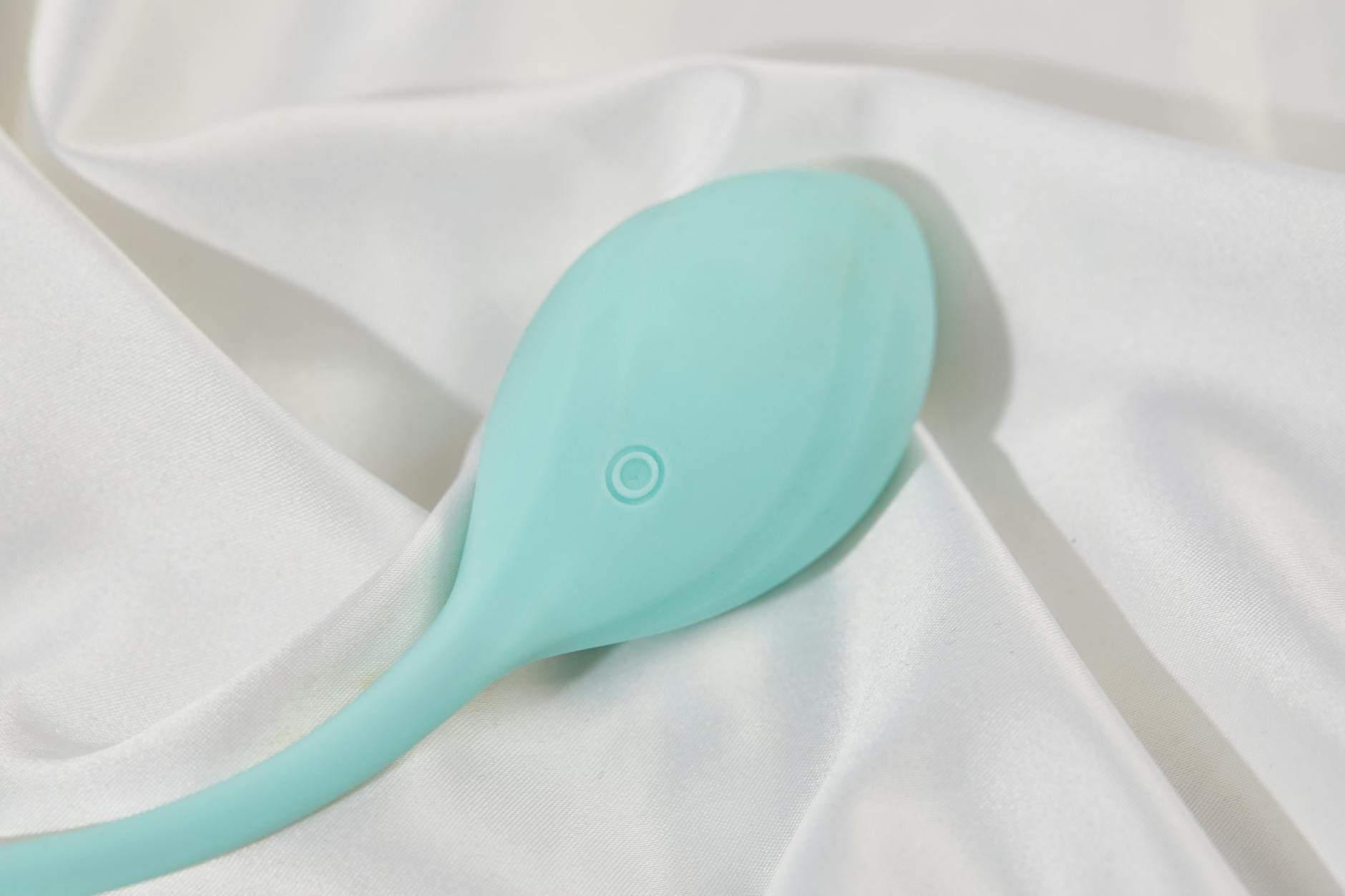
If you've had pelvic surgery—a hysterectomy, fibroid removal, cesarean, or any procedure in that region—you know the healing timeline is long. Physical recovery is one conversation. Sexual recovery is another that most doctors barely mention.
Nervous tissue gets disrupted. Scar tissue forms. Sensation changes. And somewhere in the fog of recovery, you might wonder if pleasure will ever feel the same. Here's the honest part: it might feel different. It often gets better. And lemon clitoral vibrators are one of the smartest tools to help rebuild that sensation safely.
Pelvic surgery—whether vaginal, abdominal, or laparoscopic—disrupts nerve pathways. The nerves that feed the clitoris and surrounding tissues get bruised, stretched, or cut. Scar tissue then forms as healing happens, and scar tissue doesn't transmit sensation the way healthy tissue does. It's thicker, less elastic, sometimes numb or hypersensitive depending on the day.
This isn't permanent. Nerves regrow. Scar tissue remodels over months and years. But early in recovery, many people report that touch feels muted, numb, or weirdly distant. Some feel sharp, shooting sensations. Others feel almost nothing at all.
The good news: this is why a lemon vibrator works so well during recovery. Suction-based stimulation—the technology behind Hello Nancy's lemon clitoral vibrators—bypasses some of the scar tissue problem entirely.
Traditional vibration uses friction and rapid back-and-forth motion. If you have surgical scar tissue or nerve bruising, that friction can feel uncomfortable. You need deeper, steadier stimulation that reaches past the surface.
Suction works differently. It creates a gentle pulse that draws blood into the tissue, increases blood flow, and stimulates the network of nerve endings in waves rather than direct hits. For post-surgery bodies, this means:
Gentler on delicate, healing tissue
Doesn't rely on surface sensation alone
Builds warmth and arousal gradually rather than shocking the system
Reaches nerve clusters that traditional vibration might miss
Can be used at very low intensity without feeling ineffective
I've worked with many clients recovering from pelvic procedures, and the pattern is consistent: they try a traditional vibrator too early, feel frustrated or uncomfortable, assume pleasure is off limits, then try a lemon clitoral vibrator and rediscover sensation within weeks. The difference is the mechanism.
This matters because you can't rush it. Most surgeons clear patients for penetrative sex around six weeks. Sensation recovery takes longer.
Weeks 1-4: You're in acute healing. Nothing should go near the surgical site except what your doctor approves. Skip toys entirely.
Weeks 5-8: You're cleared for gentle sexual activity, but sensation is still muted. Start with the lowest settings on a lemon vibrator. Many people find that even light suction feels distant. That's normal. You're retraining your nervous system to recognize pleasure signals through the noise of healing.
Weeks 8-16: Sensation starts returning in layers. You might feel numbness give way to tingling, then to sharper sensation. A lemon vibrator becomes genuinely pleasurable again. Gradually increase intensity as comfort allows.
Months 4-12: Full sensation recovery is still happening. Scar tissue continues remodeling. Many people report their best, most intense sensations coming months after surgery as the tissue fully heals.
Clear it with your surgeon first. Not your OB, not your partner—ask the surgeon who did your procedure. They know the specific nerve pathways they affected and can tell you when external clitoral stimulation is genuinely safe.
Start at pattern 1 or 2. The lemon clitoral vibrator has eight settings. You'll need about three. Running at full intensity during early recovery can overstimulate nerves that are already trying to rewire themselves. Begin gentle. Patience now means faster real recovery.
Use lubricant even if sensation feels numb. It sounds counterintuitive, but lubrication reduces friction and makes the suction mechanism work better. Water-based lube is safest. If you have scar tissue near the entry point, extra lubrication prevents irritation.
Here's what most recovery guides skip: the emotional part of sensation loss. When pleasure stops working the way it did before, it's not just physical. There's grief, frustration, maybe shame. You might feel broken. Your partner might feel rejected. Neither of you is wrong.
This is where a lemon vibrator does something beyond the physical. Using one during recovery is an act of reclaiming your body. It's a conversation with yourself about patience and trust. It's proof that sensation returns. And honestly, for many couples, introducing this tool during recovery becomes a bonding point rather than a awkward moment.
If you're in a relationship, involve your partner in the conversation. Let them know it's not about them. Sensation recovery takes time, and a lemon clitoral vibrator is a tool to speed that process, not a replacement.
If six months post-surgery and sensation isn't improving, or if you feel pain rather than numbness, talk to a pelvic floor physical therapist. They're trained in post-surgical recovery and can assess whether scar tissue is restricting nerve function. Many people don't know this specialty exists, but it's transformative for surgery recovery.
If numbness persists beyond a year, a gynecologist trained in surgical recovery can help too. In rare cases, additional treatment is needed, but most people regain full sensation with time and the right support.
You won't wake up one day with sensation fully restored. It returns in increments. You'll use a lemon vibrator at the lowest setting and feel almost nothing. Two weeks later, you'll feel warmth. A month later, tingling. Then pleasure. The timeline isn't linear, and some days are better than others depending on stress, hormones, and how much scar tissue was involved.
But here's what happens to most people who stick with it: sensation returns richer than before. The reason is counterintuitive. Surgery forces you to slow down, pay attention, and rebuild pleasure intentionally rather than on autopilot. Many of my clients tell me their orgasms after full recovery are more intense and satisfying than they were before surgery. Not because the body changed, but because the mind did.
Your pleasure matters. Recovery is a process. A lemon vibrator designed with suction technology is one of the kindest tools for rebuilding sensation through that process.
Most surgeons clear external clitoral stimulation around six weeks post-surgery, but this varies wildly depending on what was done and how extensive the procedure was. Always ask your specific surgeon, not a general timeline. If they give you the all-clear, start gently—the lowest setting on a lemon clitoral vibrator, not full intensity.
No, if you've been cleared by your surgeon and you start gently. Light stimulation actually promotes blood flow, which aids healing. The key is patience and low intensity early on. You're not trying to orgasm; you're retraining your nervous system to recognize sensation.
Not if the scar tissue is internal and in the direct area of surgery. External clitoral stimulation is safe once cleared by your surgeon, but internal toys should wait until you're fully healed. Ask your surgeon whether external-only stimulation is appropriate for your specific recovery.
Nerves got disrupted during the procedure. Scar tissue forms and doesn't transmit sensation as effectively as healthy tissue. This is temporary. Over weeks and months, scar tissue remodels and nerves regrow, gradually restoring sensation. Some people report their sensation is actually more intense after recovery because increased attention to pleasure rewires the brain's response.
Yes, if you're in a relationship. Keeping it secret creates distance during a time when connection matters. Frame it clearly: "This isn't about you. My surgeon cleared it, and it's helping my body heal sensation. It's part of recovery, like physical therapy." Most partners feel relieved to have a concrete tool that helps.
No. A hysterectomy affects different nerves than a fibroid removal or a cesarean. Some procedures affect sensation more than others. The extent also matters—a quick removal is different from extensive repair work. Ask your surgeon specifically which nerves were affected and what sensation timeline to expect. Then give yourself permission to heal at your own pace.
Most of this guidance comes from clinical experience working with clients in post-surgical recovery, combined with evidence-based practices from pelvic floor physical therapy and gynecological literature on nerve recovery. If you're interested in deeper reading, search for "post-hysterectomy sexual function" and "pelvic nerve regeneration" in medical databases. Talk to your surgeon or a pelvic floor specialist who can give you personalized recovery guidance based on your specific procedure.
Your healing timeline is unique. Be patient with yourself. Pleasure returns.