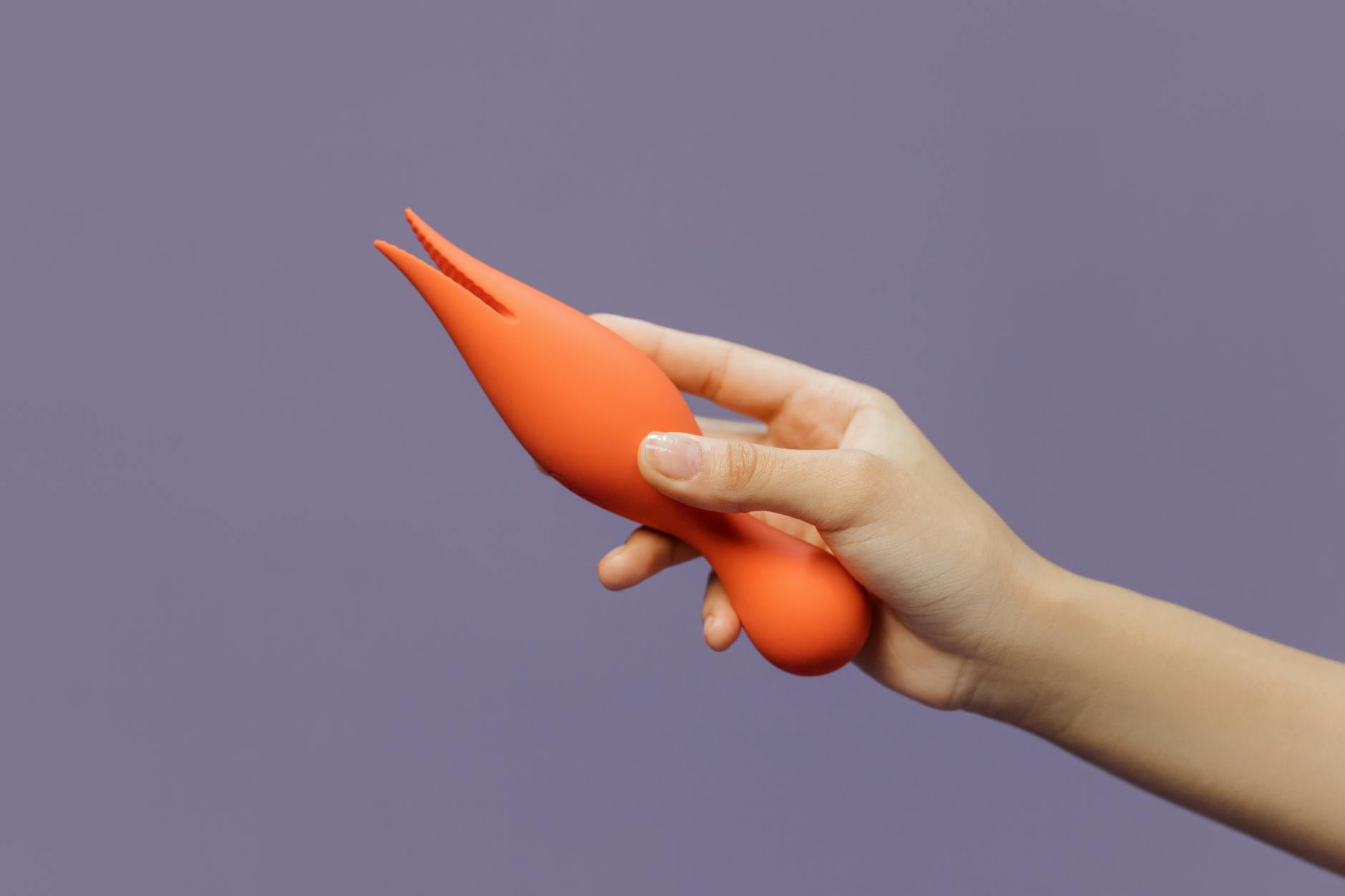
Let's talk about what surgery actually does to your body
Surgery disrupts more than tissue. It interrupts your relationship with sensation, confidence, and desire. Whether it's gynecological surgery, breast surgery, abdominal work, or anything that leaves you sore and swollen, your nervous system goes into protection mode. Touch that used to feel good can feel threatening. Arousal takes longer. Orgasms might feel muted or distant. Some people describe it as a disconnect from pleasure altogether.
This is real, and it's temporary. But getting back there requires patience, information, and tools that respect where your body actually is, not where you wish it were.
Here's what I want you to know: clitoral vibrators like the Lem are specifically useful for post-surgical pleasure recovery because they work with your nervous system's healing timeline, not against it.
How surgery changes sensation and arousal
When you have surgery, the body's parasympathetic nervous system (the one responsible for arousal and relaxation) takes a backseat. Your sympathetic nervous system (fight-or-flight) is activated to manage the trauma and coordinate healing. This shift is protective, but it makes pleasure harder to access.
There's also the physical component. Scar tissue formation, inflammation, and changes in blood flow all affect how sensation registers. If you had gynecological surgery, there may be changes in clitoral sensitivity or how the surrounding tissues respond. If it was breast surgery, chest sensation can feel different. Abdominal surgery can make certain positions uncomfortable. Your body is literally rewiring.
Most surgeons don't talk about this recovery phase because they're focused on wound healing. But pleasure recovery is part of full recovery.
Why air-suction lemon vibrators are gentler during healing
Traditional vibrators rely on direct friction and impact. When you're post-surgical and your tissue is sensitive, that can feel too intense. The Lem works differently. It uses gentle suction and pulsing patterns to stimulate the clitoral nerves without the same mechanical pressure.
This matters because:
First, suction doesn't require you to have full sensation restored. It works by stimulating nerve endings with changes in pressure rather than repetitive contact. Your body can respond even when sensation feels muted.
Second, you control the intensity from the start. Most clitoral vibrators jump to a moderate baseline. The Lem starts at patterns 1 and 2, which are extremely gentle. You can spend weeks at that level while your body heals.
Third, suction-based lemon sexual toys distribute sensation across a broader area rather than concentrating it in one spot. This is less likely to trigger pain or discomfort if you have scar tissue or inflammation.
You're not pushing your healing body. You're meeting it where it is.
The timeline: when to start and how to pace it
Most surgeons clear you for sexual activity (including masturbation) at 4 to 6 weeks post-op. But that's clearance to not damage the surgical site. It doesn't mean sensation is ready, or that arousal will come easily.
I typically recommend a gentler timeline:
Weeks 1-4 (immediately post-surgery): No direct clitoral stimulation. If you want to explore sensation at all, try the Lem on the lowest pattern somewhere less sensitive first. Thighs, inner arms, neck. The goal is reconnecting with pleasure as a concept, not pursuing orgasm.
Weeks 5-8: You can introduce gentle clitoral contact. Start at pattern 1 for 5-10 minutes max. Some people feel nothing. That's okay. You're teaching your nervous system it's safe to wake up.
Weeks 9-12: Extend sessions to 15-20 minutes. Experiment with patterns 2-3. Notice what feels good versus what feels like obligation. There's a difference.
Week 12+: You're probably ready to explore more. But go slow. Pleasure recovery isn't linear. Some days will feel great. Others will feel locked. That's normal.
Rebuilding confidence alongside sensation
The physical piece is only half of it. Surgery shakes your confidence in your body. You might feel broken, unfeminine, unsexy, or just disconnected from pleasure as something you deserve.
Using a lemon vibrator during recovery can rebuild that connection. Here's how:
It's an act of gentleness toward yourself. You're not chasing an orgasm. You're exploring sensation slowly, with a tool designed to meet you where you are.
It proves your body isn't broken. When you feel response, even a small tingle or a subtle warmth, that's evidence that your nervous system is healing. Pleasure is waking up again.
It reclaims the space. For months, your body felt like a medical project. Using a vibrator says: this is mine. This is about me, not recovery protocols or doctor's appointments.
If you have a partner, this matters too. How to Introduce Lemon Vibrators to Your Partner Without Awkwardness walks through the conversation. The key point: you're not broken. You're healing. And pleasure is part of that healing.
What to expect emotionally
Some people feel relief and excitement the first time they feel sensation returning. Others feel grief about the time lost, or frustration that pleasure doesn't work the way it used to. Both are valid.
You might have sessions where nothing happens, and that's not failure. Your nervous system has been through trauma. It doesn't flip back on like a light switch.
If you're experiencing pain rather than just numbness or decreased sensation, stop and check with your surgeon or a pelvic health physical therapist. Pain is information that something needs more time.
If numbness persists beyond 6 months, talk to a specialist. Nerve involvement during surgery is rare but real, and there are targeted therapies that can help.
The practical setup for post-surgical exploration
Choose a time when you're not rushed. Surgery recovery is exhausting. Don't add pressure to perform pleasure.
Start with lubrication, even if you think you don't need it. Post-surgical bodies benefit from the extra slip, and it makes any sensation feel less raw.
Be in a position that feels safe and relaxed. If your surgical site was abdominal, you might avoid lying flat on your back. If it was gynecological, you might prefer being upright or on your side. Listen to your body.
Set a time limit. 15-20 minutes is plenty. You're not trying to reach a destination. You're gathering information about what your body can do.
If nothing happens, that's data, not failure. Write it down. "Today I felt a gentle hum at setting 1. No arousal but no pain." That's progress.
If you do feel arousal building, great. Let it build slowly. Orgasms after surgery can feel different. Shorter, longer, more intense, less intense, or just different in a way you can't quite name. All of that is normal.
When to talk to a healthcare provider
You don't need permission from your doctor to use a vibrator during recovery. But check in if:
Pain appears or worsens during stimulation. That's a sign to pause and get checked.
Sensation doesn't improve after 8-12 weeks. Persistent numbness might indicate nerve involvement, which a specialist can address.
You're having difficulty with arousal even on the lowest settings, and it's causing distress. Pelvic floor dysfunction or nerve issues might need targeted therapy.
Your partner feels rejected or confused about the changes. A couples therapist or sex therapist can help bridge that gap.
Most of the time, you'll find that pleasure comes back. It takes time, patience, and permission to explore slowly. Lemon clitoral vibrators fit that recovery process better than most tools because they start gentle and scale up only when you're ready.
Frequently asked questions
Can I use lemon vibrators immediately after surgery?
No. Wait for surgical clearance, typically 4-6 weeks. Even then, start gentle. Your tissue is still healing. The Lem's lowest patterns are designed for this phase.
Will using a vibrator delay my healing?
Not if you're gentle. Vibration doesn't damage healed or healing tissue. It's the same as any other form of stimulation once you've cleared medical restrictions. If you're in pain, stop. Pain means something isn't ready.
Why does my lemon vibrator feel numbing instead of pleasurable?
Your nervous system may still be in protection mode. Sensation often returns in stages. What feels numb now might feel tingly in a few weeks. Keep exploring at low intensities.
Can I use a lemon vibrator if I have scar tissue?
Yes. Suction-based vibrators like the Lem are actually gentler on scar tissue than friction-based toys. The pressure change stimulates without mechanical strain.
Is it normal for orgasms to feel different after surgery?
Completely normal. Your body has been through trauma. Arousal pathways, muscle tone, and nerve response all change. Different doesn't mean broken. Most people find pleasure returns to baseline, just with a different texture.
When should pleasure be back to normal?
There's no fixed timeline. Some people feel restored by 3 months. Others take 6-12 months for full sensation and confidence. Be patient with your body. It's doing remarkable work healing.