Let's start with the obvious part nobody talks about enough
Sex after birth hurts for a lot of people. Not sometimes. Not mildly. Weeks or months in, when you thought the healing was done, it still hurts. And you're supposed to just... keep trying? That's a recipe for resentment, disconnection, and a body that's learned to brace every time your partner gets close.
Here's what's actually happening physically, and why lemon clitoral vibrators are different from what you've probably tried before.
The tissues are still healing (even when you feel fine)
Whether you delivered vaginally or had a cesarean, your hormones are in freefall. Estrogen drops, which means vaginal tissue is thinner and less elastic. If you tore or had an episiotomy, scar tissue is remodeling itself for months. Pelvic floor muscles are tight from guarding against pain, which makes intercourse feel impossible even when there's no medical reason it shouldn't work.
The weird part? You can feel basically recovered. You cleared the six-week checkup. You're not bleeding anymore. Your partner is ready. And yet the first time you try, it's like your body says no.
That's not weakness. That's a legitimate tissue problem plus a nervous system problem wrapped together. And it's way more common than the postpartum checkup conversation suggests.
Why penetration-focused pleasure doesn't work right now
Most toys and approaches to postpartum sex assume you want to jump back into what you did before. Deeper penetration, more friction, more intensity. That's the opposite of what actually helps.
What helps is precision. Clitoral stimulation without the pressure of penetration. No friction. No depth. Just focused, gentle, consistent sensation that wakes your nervous system back up without triggering pain guards.
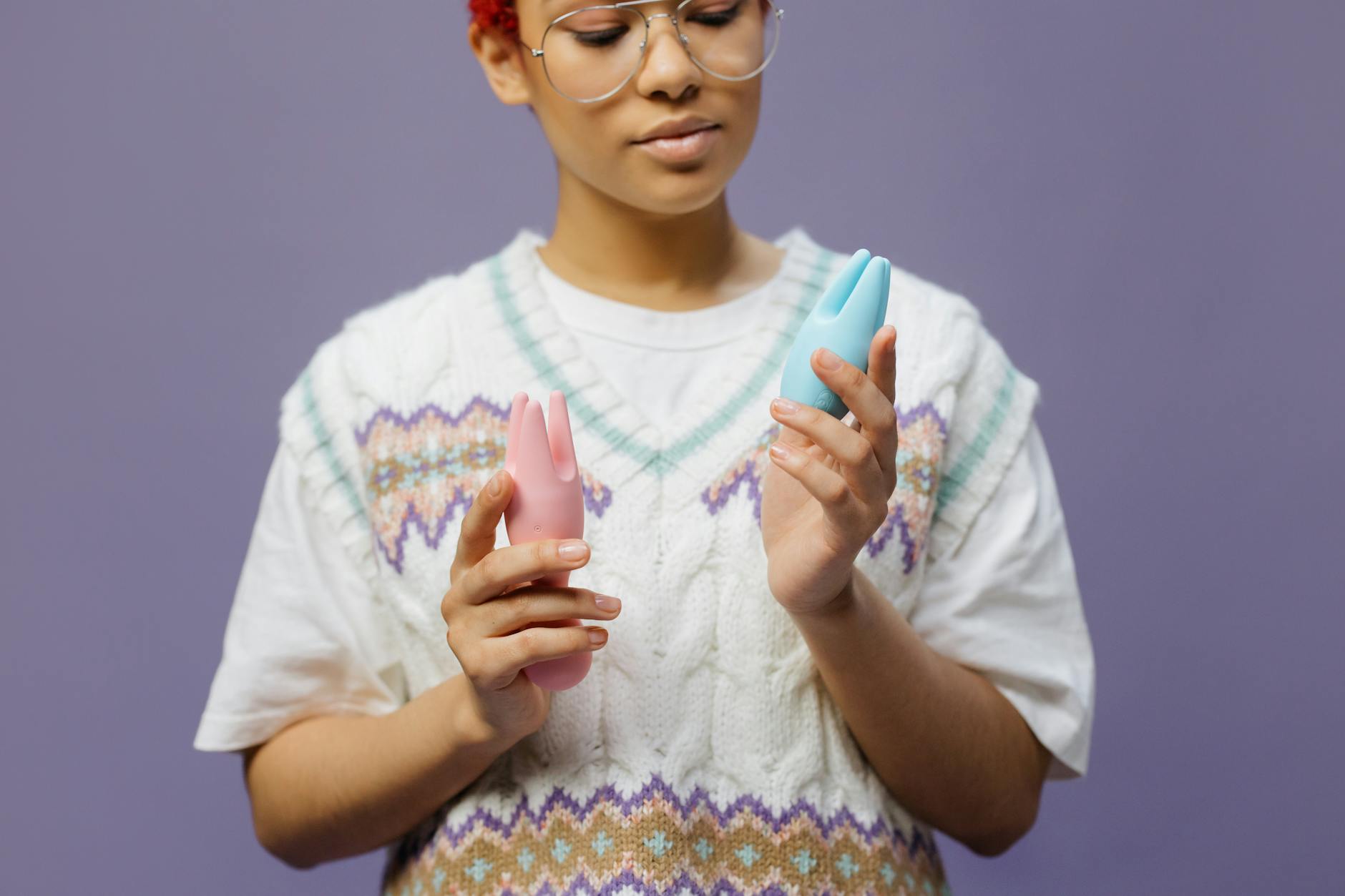
That's the entire design premise behind lemon sucker toys. They use gentle suction instead of vibration alone, which means you get strong sensation without aggressive physical pressure. For postpartum bodies, that distinction is everything.
The suction advantage: gentleness without sacrifice
A traditional vibrator buzzes. It transfers its vibration to the tissue. If your clitoral tissue is swollen, tender, or over-responsive from hormonal shifts, that buzzing feels jarring. You end up turning it down, which defeats the purpose, or gritting your teeth through it.
Lemon clitoral vibrators work differently. The suction creates a gentle seal, and then the suction pulls softly. It's stimulating, but there's no grinding, no high-frequency buzz hitting already-sensitive tissue. Your nerve endings light up. Your arousal builds. And there's no pain because nothing is pushing or vibrating harshly against you.
For someone six weeks to six months postpartum, this matters because you're often trying to rebuild pleasure while your body is still figuring out how to feel good again.
Starting small and without expectation
I recommend my postpartum clients begin with solo play in the shower or bath. Warm water relaxes the pelvic floor faster than anything else. You're alone, which removes performance pressure. You have zero expectations except to see what your body can still feel.
Start on the gentlest setting. Most lemon vibrators have a range from patterns 1 to 3. Begin at 1. Give yourself 10 to 15 minutes. You're not chasing an orgasm. You're reminding yourself that pleasure can exist without pain.
Do this a few times over two to three weeks before you involve your partner. This is protective, not selfish. You're building proof in your nervous system that pleasure is safe.
Talking to your partner without shame
If you have a partner, they need to understand what's happening. Not as a medical report. Not as rejection. But as "my body is healing, and I need to explore what feels safe before we try together."
You might say something like: "I want us to reconnect, but my body is still figuring out what feels good. I'm going to spend a few weeks exploring alone, and then I'll tell you what's working. After that, we can go slow together."
Most partners appreciate clarity and a timeline more than they appreciate you white-knuckling through painful sex out of obligation.
When you do try together, lemon clitoral vibrators take pressure off penetration. You can use one during foreplay, or keep it in play during sex if penetration starts to feel uncomfortable. It shifts the conversation from "can we do this" to "here's what feels amazing right now."
Lubrication is non-negotiable
Postpartum hormones mean reduced natural lubrication. You might produce enough lubrication before birth and almost none after. This isn't abnormal. It's frustratingly common.
Use a water-based lube every single time. Layer it generously. Reapply. Lube is not a sign of failure or inadequacy. It's a tool that makes tissue healthier and sensation better.
Pair lube with a lemon sucker vibrator, and you've just removed two major friction sources at once. Tissues get protection. Sensation stays strong. Everything shifts.
When pain means you need help from a professional
If you're six months postpartum and penetration still causes sharp pain, burning, or tissue tension that doesn't ease with time or tools, see a pelvic floor physical therapist. Not your OB. A PT who specializes in postpartum pelvic health.
They can release scar tissue, teach you how to actually relax your pelvic floor, and identify whether you have a specific injury that needs treatment. Postpartum sexual pain is treatable. Most people don't know that because most providers don't bring it up.
The difference between pain and discomfort during recovery
There's a spectrum. Mild stretching sensation when aroused? That's tissue remodeling. Sharp pain when touched? That's a problem that needs professional attention. Pressure discomfort during deep penetration? That's pelvic floor guarding, which improves with gentler stimulation and time.
Lemon clitoral vibrators exist in that middle space where pleasure is possible without triggering pain. They let you experience arousal and climax without the trauma of forced penetration.
Building back to partnered sex (when you're ready)
Once you've had consistent pleasure solo, your nervous system knows the pathway. Adding your partner then becomes about synchronized timing, emotional safety, and practical comfort.
Start with the vibrator as part of foreplay. Use it together. Let your partner see what brings you pleasure. Then try intercourse with the vibrator still running. This takes pressure off your body to generate all the pleasure solo and off your partner to deliver it.
Many couples find they actually prefer this dynamic even after full recovery. The intensity is higher. The pressure is lower. Everyone feels more connected.
Managing the psychology alongside the physiology
Postpartum bodies have also been through identity shifts. You might feel disconnected from yourself. Your partner might have hesitation about hurting you. There's often grief about the body you had before mixed with gratitude for what it did.
Pleasure isn't just physical. It's also about reclaiming your body as yours, not just as a feeding or caregiving machine. A lemon clitoral vibrator is a practical tool, but using it is also an act of self-care and self-respect.
Postpartum sexuality is not about rushing back. It's about building something better than what you had before, with more awareness and less pressure.
How long does recovery actually take
The six-week medical clearance is misleading. Most people need 12 to 18 weeks before penetrative sex feels neutral. Some need longer. Hormones stabilize somewhere around nine months postpartum, and many people find pleasure returns more fully around that mark.
Using lemon vibrators during those months isn't a placeholder activity. It's active healing. You're maintaining neural pathways, building evidence that pleasure is possible, and training your nervous system out of pain mode.
Frequently Asked Questions
Can I use a clitoral vibrator if I had a cesarean?
Absolutely. Cesarean birth doesn't directly affect clitoral tissue, though the hormonal shifts and pelvic floor tension are the same. Because lemon clitoral vibrators don't require penetration, they're equally safe and effective postpartum regardless of delivery method.
How soon after birth can I start using a lemon vibrator?
Wait until you're past active bleeding and cleared by your doctor, typically four to six weeks. Start with solo play in a relaxing environment. There's no rush. Your body will tell you when it's ready for sensation.
Does using a vibrator slow down natural recovery?
No. Gentle stimulation can actually support recovery by improving blood flow and helping your nervous system regulate. Aggressive vibration or penetration without readiness can slow healing, but using a lemon sucker carefully actually supports the process.
What if my partner is uncomfortable with vibrators?
That's a conversation worth having. Some partners feel insecure about toys. Talk about it as a tool for reconnection, not a replacement. Many partners are relieved to have a clear path to pleasure that doesn't hurt their partner. Involving them in the process often shifts their perspective.
Is postpartum sexual pain permanent?
No. With time, support, and the right tools, most postpartum pain resolves within six to eighteen months. If pain persists past two years, see a pelvic floor specialist. Some cases need targeted intervention, but improvement is almost always possible.
Can I use lemon vibrators while breastfeeding?
Yes. Breastfeeding doesn't interfere with clitoral pleasure. Hormonal shifts during breastfeeding can reduce lubrication, so using lube alongside your lemon clitoral vibrator is especially important. Some people find their libido returns once they start weaning, others find pleasure earlier. Both are normal.
The bigger picture: pleasure as part of healing
Postpartum recovery isn't just physical. It's about reconnecting with your body as something that feels good, not just something that works. Lemon vibrators are tools for that reconnection. They're designed for exactly this moment: when you need pleasure without pressure, sensation without intensity, and safety without sacrifice.
Your body will come back online. You don't have to white-knuckle through pain to prove it. Build pleasure slowly, deliberately, and with the right tools. The sex you have after postpartum recovery, when you take time to rebuild it properly, is often deeper and more satisfying than what you had before.
If you're struggling with postpartum sexual pain or disconnection, you're not alone, and you're not broken. You're recovering, and you deserve support that matches where you actually are. That's what lemon clitoral vibrators are for.
Want more guidance on rebuilding intimacy after major life transitions? Reach out to us, and we're happy to talk through what might work best for you and your partner.